
Peace Pagoda Hiking

Our specialized pilgrimage includes boat transport across Phewa Lake, professional English speaking guides, and complete safety support for Indian families seeking spiritual enrichment and mountain panoramas. With 15+ years of spiritual tourism expertise, we ensure your sacred hike to World Peace Pagoda becomes a meaningful experience combining physical wellness with Buddhist wisdom and cultural respect.
Peace Pagoda Hiking Quick Facts
| Tour Details | Information |
| Duration | 1 Day (6-8 hours) |
| Starting Point | Pokhara Lakeside |
| Transportation | Boat + Hiking/Direct Road Access |
| Difficulty | Easy to Moderate |
| Best Season | October-November, March-May |
| Group Size | 2-15 people (Private also available) |
| Languages | Hindi, English, Nepali |
| Inclusions | Guide, Boat, Permits, Refreshments |
| Exclusions | Personal expenses, Extra meals, Tips |
Spiritual Significance of World Peace Pagoda
Sacred Buddhist Monument for Global Peace
World Peace Pagoda (Vishwa Shanti Stupa) represents one of approximately 80 Peace Pagodas worldwide, built by Japanese Buddhist monk Nichidatsu Fujii’s followers to promote world peace and harmony. This brilliant white monument carries profound spiritual significance, embodying Buddha’s teachings of compassion and non-violence.
The pagoda’s architectural elements hold deep Buddhist symbolism. The white dome represents Buddha’s enlightened mind, while four golden Buddha statues face cardinal directions – representing birth, first teaching, enlightenment, and parinirvana (final liberation). The golden finial topped with a dharma wheel symbolizes Buddhist teachings spreading in all directions.
Cultural and Religious Importance
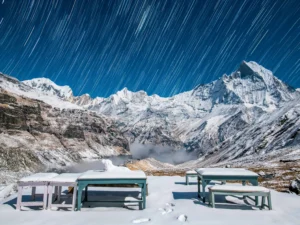
Hindu and Buddhist pilgrims equally revere this sacred site for its peaceful energy and spiritual vibrations. The monument serves as a meditation center where visitors can practice vipassana (mindfulness meditation) while enjoying panoramic Himalayan views including Machapuchare (Fishtail Peak), Annapurna range, and Dhaulagiri.
The pradakshina path (circumambulation route) allows devotees to walk clockwise around the stupa while chanting mantras or maintaining silent meditation. This practice, known as kora in Tibetan Buddhism, generates positive spiritual energy and mental purification.
Built between 1973-1999, this Peace Pagoda honors the philosophy of monk Nichidatsu Fujii, who met Mahatma Gandhi in 1931 and dedicated his life to promoting non-violence and world peace through Buddhist teachings.
Peace Pagoda Day Tour Detailed Itinerary
Pickup from your Pokhara Lakeside accommodation.
Our Hindi-speaking guide provides a safety briefing and cultural orientation, introducing Buddhist customs and the significance of the Peace Pagoda.
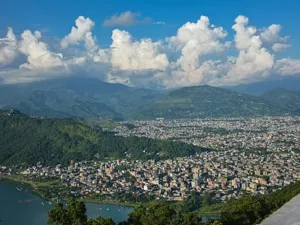
Cross the sacred Phewa Lake on a traditional doonga boat (20–30 minutes).
Enjoy the sunrise reflecting off Machapuchhre and Annapurna peaks while your guide shares local legends and spiritual importance of the lake.
Start a moderate ascent through Rani Ban (Queen’s Forest) using natural stone steps and forest paths.
Your guide highlights medicinal plants, local wildlife, and shares Buddhist philosophy during the 45–90 minute climb.
Reach the white World Peace Pagoda at 1,200 meters.
Participate in traditional pradakshina (clockwise circumambulation) while learning about Buddhist architectural symbolism and spiritual significance.
Join a guided meditation session facing the Himalayan panorama.
Practice mindfulness and breathing techniques, and experience the peaceful energy that attracts Buddhist pilgrims worldwide.
Learn about monk Nichidatsu Fujii’s peace philosophy and the pagoda’s connection to the global Buddhist peace movement.
Understand the significance of the four Buddha statues representing different stages of Lord Buddha’s life.
Capture breathtaking views of Dhaulagiri (8,167m), Annapurna I (8,091m), Machapuchhre (6,993m), and Manaslu (8,163m).
Guided photography tips are provided for cultural poses and best angles.
Optionally visit nearby viewpoints or continue to Pumdikot Shiva Statue (additional 2 km) for a unique Hindu-Buddhist cultural experience.
Enjoy a light meal with mountain views, including dal bhat, local tea, and seasonal fruits.
Discuss spiritual insights gained during the pilgrimage.
Begin the return hike via alternative forest routes or retrace the original path.
Return across Phewa Lake by boat with time for reflection and spiritual contemplation.
Arrive safely at your accommodation.
Receive a spiritual certificate and blessing from the guide.
Optional visits to nearby Tibetan refugee camps or Buddhist monasteries are available.
Best Time for Peace Pagoda Hiking
Peak Season (October-November) Ideal conditions with crystal-clear mountain visibility, comfortable temperatures (15-25°C), and stable weather. Post-monsoon period offers the clearest Himalayan views and perfect photography opportunities. Cultural festivals like Dashain and Tihar add spiritual significance to the pilgrimage.
Excellent Season (March-May) Second-best period featuring blooming rhododendrons, moderate temperatures, and good mountain visibility. Pre-monsoon season provides comfortable hiking conditions and vibrant forest colors, though some afternoon haze may develop.
Moderate Season (December-February) Winter hiking requires warm clothing but offers excellent visibility and fewer crowds. Morning temperatures can drop to 5°C, requiring proper preparation, but midday conditions remain pleasant for spiritual activities.
Challenging Season (June-September) Monsoon period presents difficulties with heavy rainfall, slippery trails, and limited mountain views. However, adventurous pilgrims enjoy lush green landscapes, dramatically lower costs, and intimate spiritual experiences with minimal crowds.
Safety Guidelines and Support
Professional Altitude and Trail Safety
Our Nepal Tourism Board licensed guides carry comprehensive first aid equipment including bandages, antiseptics, pain relievers, and emergency communication devices. While Peace Pagoda sits at moderate 1,200-meter elevation (no altitude sickness risk), we maintain strict safety protocols for all hiking activities.
Trail conditions require appropriate footwear with good grip, especially during monsoon season when paths become slippery. Our guides monitor weather conditions continuously and adjust routes based on safety requirements and group capabilities.
Emergency Support Systems
24/7 emergency contact available through our Pokhara office with direct communication to guide teams. Emergency evacuation procedures established with local medical facilities and helicopter rescue services if required.
Medical consultation support available for pilgrims with respiratory conditions, joint problems, or elderly family members requiring special attention. We provide detailed pre-departure health guidelines and recommend appropriate preparation for different fitness levels.
Cultural Safety and Respect
Our guides ensure proper Buddhist etiquette including modest dress requirements (shoulders and knees covered), shoe removal protocols, respectful behavior in prayer areas, and clockwise circumambulation practices. Cultural sensitivity training for all staff protects sacred site sanctity while providing meaningful spiritual experiences.
Cultural Guidelines and Buddhist Protocols
Respectful Behavior at Sacred Sites
Buddhist customs require specific behaviors to maintain spiritual sanctity and show proper respect. Visitors must dress modestly with covered shoulders and knees, remove shoes when entering pagoda premises, and maintain silence in meditation areas.
Photography guidelines allow respectful image capture but prohibit video recordings or social media content creation that disrupts peaceful atmosphere. Our guides ensure compliance with sacred site protocols while maximizing photography opportunities.
Understanding Buddhist Symbolism
The white dome (anda) represents Buddha’s enlightened mind and cosmic consciousness. Four Buddha statues face cardinal directions representing different aspects of enlightenment – birth (Nepal), first teaching (Japan), enlightenment (Sri Lanka), and final liberation (Thailand).
Prayer flags surrounding the pagoda carry mantras and prayers that spread positive energy through wind movement. Visitors can participate in flag hanging ceremonies with proper guidance and understanding of their spiritual significance.
Meditation and Spiritual Practice
Guided meditation sessions focus on mindfulness breathing (anapanasati) techniques that Buddha taught for achieving mental peace and clarity. The peaceful mountain environment enhances meditation practice with natural silence and inspiring Himalayan views.
Pradakshina (circumambulation) involves walking clockwise around the stupa while maintaining mindful awareness or chanting Buddhist mantras. This ancient practice generates positive karma and spiritual merit according to Buddhist philosophy.
Ready to Begin Your Sacred Peace Pagoda Journey?
Experience the transformative power of Buddhist peace and Himalayan spirituality with Debyani Tours’ expertly crafted Peace Pagoda hiking experience. Our professional guides, cultural expertise, and safety-first approach ensure your spiritual pilgrimage becomes an unforgettable journey of personal growth and divine connection.
Contact us today to book your personalized Peace Pagoda spiritual hiking adventure and discover Nepal’s most accessible Buddhist monument with complete peace of mind.
Frequently Asked Questions (FAQs)
Peace Pagoda Hiking offers a transformative 1-day spiritual journey to Nepal’s most accessible Buddhist monument at 1,200 meters, featuring stunning Himalayan views, sacred Buddhist architecture, and peaceful meditation opportunities starting from Pokhara.
User Reviews
Be the first to review “Peace Pagoda Hiking”
General Inquiries
There are no inquiries yet.




There are no reviews yet.