
Muktinath Tour from Pokhara

Nepal’s tourism capital to a sacred Himalayan shrine: a 3-day spiritual journey from Pokhara to the Muktinath Temple in the Mustang mountains. Covering approximately 190 km one-way and reaching an altitude of 3,710 meters, this carefully planned pilgrimage takes you along winding valley roads and through lush river valleys, cascading waterfalls, and charming villages. On the first day, travel from Pokhara to Tatopani (about 130 km) via Beni and Lete, enjoying riverside and hillside scenery. The next day, continue from Tatopani to Muktinath (around 60 km), passing through Marpha and Kagbeni villages and ascending through high mountain terrain. Along the way, experience apple orchards, local culture, and natural wonders like Rupse Waterfall and Tatopani hot springs. Whether you’re a spiritual seeker, nature lover, or curious traveler, this compact tour delivers an unforgettable blend of pilgrimage, adventure, and cultural immersion without requiring extensive time away from your regular life.
MAJOR HIGHLIGHTS
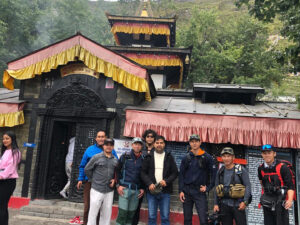
- Muktinath Temple (3,710m) – receive blessings at this revered shrine of liberation
- Ancient Kagbeni Village – gateway to Upper Mustang’s mystical landscapes
- Bindhyabasini Temple – Pokhara’s beloved Hindu sanctuary
- Kaligandaki Gorge – the world’s deepest gorge between two 8,000m peaks
- Jomsom Viewpoint – panoramic vistas of the Annapurna and Dhaulagiri ranges
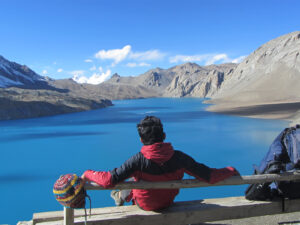
- Dhumba Lake – tranquil alpine waters surrounded by peaks
- Marpha Village – historic apple orchards and traditional Thakali architecture
- Rupse Waterfall – powerful 100-meter mountain cascade
- Tatopani Hot Springs – naturally heated mineral waters (1,190m)
Tour Itinerary
We will pick you up from anywhere inside Pokhara Valley at your convenience. Start the day with a scenic drive through the winding mountain roads, surrounded by lush river valleys and terraced hills. The road takes us through the Kali Gandaki Valley, with spectacular views of Annapurna, Dhaulagiri, Nilgiri, and Tukuche peaks rising high above the river and villages along the way. We pass the towns of Balung, Beni, and Lete Village, and stop at Rupse Waterfall. You’ll see small villages and green hills, with farmers waving and smiling everywhere. We stop at Tatopani Hot Springs here, where you can dip your feet in the gentle, warm water and relax for a bit.
We pause to explore the Marpha village, walk around its friendly streets, and meet some local families. As we travel further, the valley narrows and the mountains look even bigger. By evening, we reach Jomsom, where the air is fresh and cool.
After checking in at our lodge, your guide takes everyone to the Kali Gandaki River. Here, you can see pilgrims collecting Shaligram stones, which are special and considered gifts from God. At dinner, you enjoy hot local food. The sounds of the river and mountains make for a peaceful night.
In the morning, the mountains look big and beautiful all around. Today is the day to visit Muktinath Temple. We will head towards the temple from Jomsom, about 25 kilometers away. The drive takes around 1 hour through a scenic valley.
Once we reach the last stop, you’ll need to walk for about 10 minutes to get to Muktinath Temple. If anyone finds walking difficult, horses are available to ride for a short distance. At the temple, you can take a holy bath under 108 water spouts. Your guide will help you with prayers at the eternal flame and inside the temple. Please note that photography inside the temple is not allowed.
After visiting, we say goodbye to Muktinath and drive back the same way. While returning, we will visit Dhumba Lake, a serene spot perfect for photos and a short walk around the lake. We also stop at Marpha Village to explore its charming streets, meet local families, and enjoy the apple orchards. By evening, we reach Pokhara, and you can relax by the lake after a special day.
On the final day of your spiritual journey, take the time to explore the cultural and natural highlights of Pokhara before concluding your trip. Begin with a visit to Bindhyabasini Temple, one of the oldest and most sacred temples in the city, dedicated to Goddess Durga. Spend some time observing the local rituals and enjoying the peaceful temple atmosphere.
Next, head to Davis Fall, a stunning waterfall where water plunges into an underground tunnel, creating a unique spectacle. Nearby, explore the Gupteshwor Cave, a mysterious and sacred cave with impressive stalactites and stalagmites, offering a glimpse into Pokhara’s natural wonders.
Afterwards, make your way to the Peace Stupa, a hilltop Buddhist monument that provides breathtaking panoramic views of Pokhara city, Phewa Lake, and the surrounding mountains. Take a leisurely walk along the paths, enjoy the serene surroundings, and capture some memorable photos.
Finally, visit Pumdikot, a quiet hilltop viewpoint where you can relax, enjoy the cool mountain breeze, and reflect on your spiritual journey. This spot is perfect for watching the sunset or simply soaking in the beauty of Pokhara’s landscapes.
| Day | Route | Distance & Duration | Altitude Range |
|---|---|---|---|
| Day 1 | Pokhara → Beni → Tatopani → Marpha → Jomsom | ~170 km (8–9 hours drive) | 822m →
2,720m |
| Day 2 | Jomsom → Kagbeni → Muktinath | ~25 km (1 hour drive + 10 min walk) | 2,720m → 3,710m |
| Day 2 | Muktinath → Jomsom → Tatopani → Beni → Pokhara | ~195 km (8–9 hours drive) | 3,710m →
822m |
| Day 3 | Pokhara (Local sightseeing) → Departure | Local travel only | Around 822m |
Inclusions/Exclusions
TOUR PACKAGE INCLUSIONS
- Private 4WD Scorpio Jeep for all transfers & sightseeing
- 2 Nights / 3 Days stay in comfortable tourist-standard hotels
- All Meals Included (AP Plan) – 3 Breakfasts, 2 Lunches & 1 Dinner
- Drinking mineral water throughout the trip
- Friendly & experienced driver-guide
EXCLUSIONS
- Personal expenses not mentioned in the package
- Alcoholic & additional beverages
- Donations, tips & additional expenses cause by adverse weather conditions
FAQs
User Reviews
Be the first to review “Muktinath Tour from Pokhara”
General Inquiries
There are no inquiries yet.



There are no reviews yet.