
Mardi Himal Trek
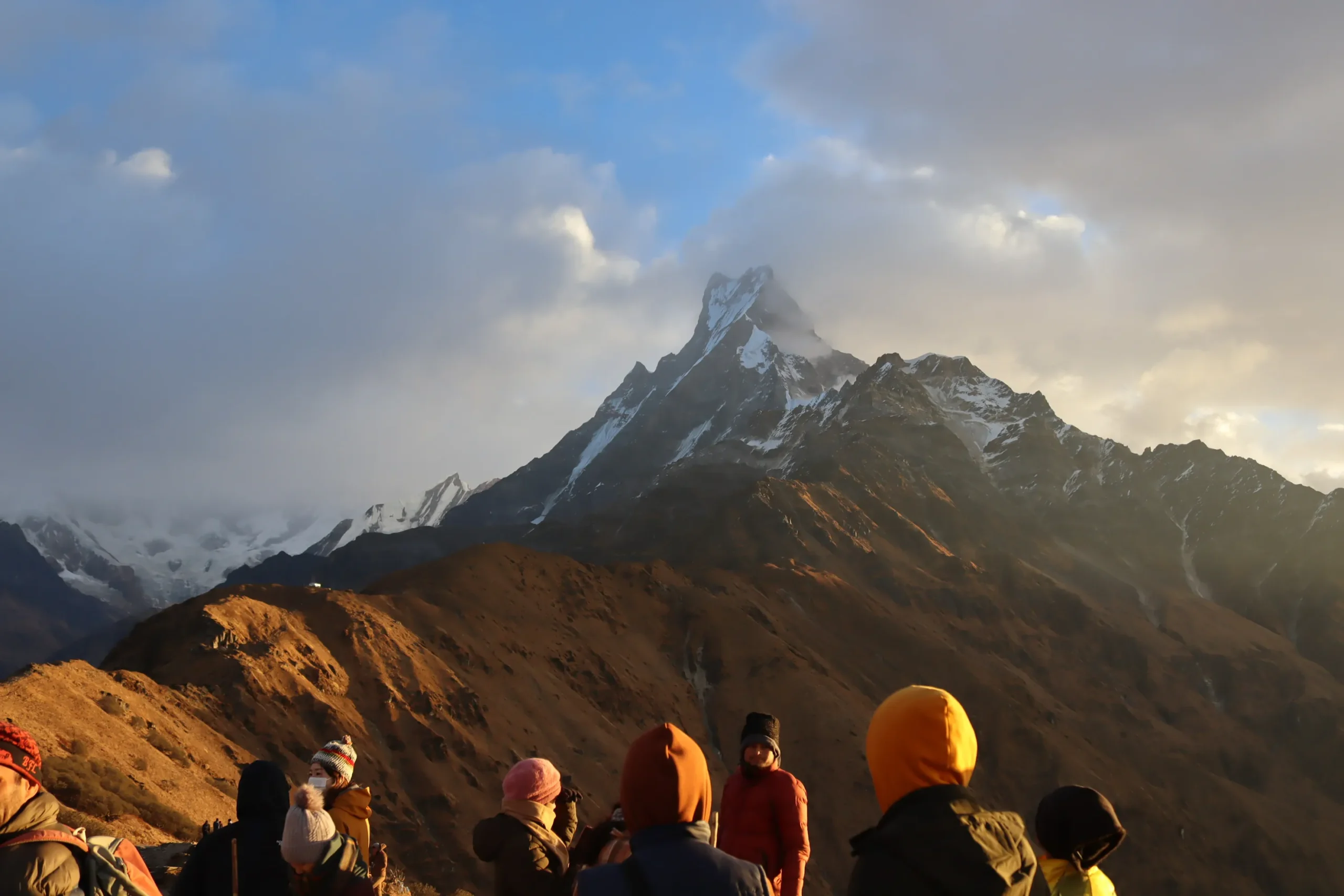
This newly discovered trekking route provides an intimate mountain experience away from crowded trails. Our 15+ years of trekking expertise ensures your Himalayan journey combines adventure with complete safety and cultural sensitivity.
Mardi Himal Trek Details
| Trek Details | Information |
| Duration | 5 Days/4 Nights |
| Starting Point | Pokhara |
| Transportation | Private Vehicle + Trek |
| Difficulty | Moderate |
| Best Season | March-May, September-November |
| Group Size | 2-12 people (Private also available) |
| Languages | Hindi, English, Nepali |
| Inclusions | Full Package, Permits Included |
| Exclusions | Personal expenses, tips, drinks |
Spiritual and Cultural Significance
Sacred Mountain Connection
Mardi Himal Trek offers a unique spiritual connection with the sacred Himalayan peaks. Local communities consider these mountains as dwelling places of gods and goddesses. The trek passes through ancient rhododendron forests that bloom magnificently during spring season.
Cultural Immersion Experience
Our trek provides authentic interaction with Gurung and Magar communities. These mountain people maintain traditional lifestyles and Buddhist practices. Trekkers witness daily mountain life, local customs, and traditional architecture during the journey.
Natural Temple Experience
The Himalayan environment serves as a natural temple for meditation and self-reflection. Morning sunrise views from Mardi Himal Base Camp create deeply spiritual moments. Many trekkers describe this experience as life-changing and spiritually enriching.
Sacred Geography
Local Buddhists believe Mount Machapuchare (Fishtail) is Lord Shiva’s residence and remains unclimbed out of religious respect. Prayer flags flutter throughout the trail, carrying mantras and blessings across mountain winds. Traditional gompas (monasteries) dot the trekking route.
Complete Day-by-Day Itinerary
-
Activities: Drive to Kande (1.5 hours), trek through Australian Camp, lunch at Pothana village, continue through rhododendron forest to Forest Camp
-
Accommodation: Mountain tea house with basic facilities
-
Meals: Lunch, Dinner
-
Trek Duration: 5–6 hours
-
Highlights: First mountain views, traditional Gurung villages, dense forest experience
-
Activities: Morning trek through mossy forest, gradual altitude gain, reach Low Camp with panoramic mountain views
-
Accommodation: Tea house with stunning mountain backdrop
-
Meals: Breakfast, Lunch, Dinner
-
Trek Duration: 4–5 hours
-
Highlights: Annapurna South views, Machapuchare glimpses, altitude acclimatization
-
Activities: Steep climb through alpine terrain, cross ridgeline, arrive at High Camp for spectacular 360° mountain views
-
Accommodation: Basic mountain lodge
-
Meals: Breakfast, Lunch, Dinner
-
Trek Duration: 3–4 hours
-
Highlights: Dhaulagiri range views, alpine landscape, preparation for base camp
-
Activities: Early morning climb to base camp, witness sunrise over Annapurna range, return to High Camp for overnight stay
-
Accommodation: Same mountain lodge
-
Meals: Breakfast, Lunch, Dinner
-
Trek Duration: 6–7 hours (round trip)
-
Highlights: Mardi Himal Base Camp achievement, 360° Himalayan panorama, personal accomplishment
-
Activities: Descend through alternative route via Siding Village, experience rural mountain life, drive back to Pokhara
-
Accommodation: Return to Pokhara (own arrangement)
-
Meals: Breakfast, Lunch
-
Trek Duration: 6–7 hours trek + 2 hours drive
-
Highlights: Different descent route, village interaction, trek completion celebration
Best Time to Visit Mardi Himal
Spring Season (March-May) – Peak Time
Spring offers the best trekking conditions with clear mountain views and comfortable temperatures (10-20°C during day). Rhododendron forests bloom magnificently, creating natural flower gardens throughout the trail. Weather remains stable with minimal rainfall.
Autumn Season (September-November) – Ideal Time
Autumn provides crystal-clear mountain visibility and perfect trekking weather. Post-monsoon air clarity offers stunning Himalayan panoramas. Temperatures remain moderate with stable weather patterns throughout the season.
Winter Considerations (December-February)
Winter trekking is possible but requires proper preparation for cold temperatures (-10°C at high camps). Snow may block higher elevations beyond 3,500 meters. Only experienced winter trekkers should attempt during this season.
Monsoon Season (June-August) – Not Recommended
Heavy rainfall makes trails slippery and dangerous. Cloud cover obscures mountain views completely. Leeches become problematic in lower elevations. Flight delays common due to weather conditions.
Safety Guidelines and Altitude Management
Professional Altitude Monitoring
Our certified guides carry oximeter devices to monitor blood oxygen levels daily. We follow gradual ascent protocols to prevent altitude sickness. Emergency oxygen supplies remain available throughout the trek.
Experienced Guide Support
All our trekking guides hold Nepal Tourism Board licensing and first aid certification. They speak Hindi and English fluently for clear communication. Guides carry emergency communication devices for immediate assistance.
Medical Emergency Procedures
We maintain comprehensive first aid kits including altitude sickness medications. Helicopter rescue insurance covers emergency evacuations from any point. 24/7 emergency communication maintains contact with base office.
Weather Monitoring
Daily weather updates guide trekking decisions and route modifications. Safety always takes priority over schedule completion. Alternative plans exist for severe weather conditions.
Equipment Safety Standards
We provide quality trekking gear meeting international safety standards. Regular equipment inspection ensures proper functioning. Backup equipment remains available for emergencies.
Cultural Guidelines and Mountain Etiquette
Respectful Interaction with Local Communities
Greet local people with “Namaste” and respectful gestures. Ask permission before photographing people or religious sites. Purchase local products to support mountain economy.
Environmental Conservation
Follow Leave No Trace principles throughout the trek. Carry all non-biodegradable waste back to Pokhara. Use designated toilet facilities and avoid open defecation.
Religious Site Respect
Remove shoes before entering gompas (monasteries) and religious buildings. Maintain silence during prayer ceremonies. Avoid pointing feet toward religious objects or images.
Tea House Etiquette
Respect meal times and local customs in tea houses. Keep noise levels minimal, especially during evening hours. Pay fair prices for additional services beyond package inclusions.
Ready for your Himalayan adventure? Contact our professional team today to book your Mardi Himal Trek with complete safety assurance and cultural respect. Experience Nepal’s majestic mountains with India’s most trusted spiritual and adventure travel partner.
Book Your Sacred Mountain Journey | Chat with Our Trekking Expert | Get Free Trek Consultation
Frequently Asked Questions
Mardi Himal Trek is a 5-day moderate mountain adventure to 4,500 meters base camp, offering stunning Annapurna and Machapuchare views through rhododendron forests, starting from Pokhara. Our professional trekking experience includes experienced Hindi/English-speaking guides, complete altitude safety monitoring, and comfortable tea house accommodation for Indian families seeking authentic Himalayan adventure with cultural respect.
User Reviews
Be the first to review “Mardi Himal Trek”
General Inquiries
There are no inquiries yet.




There are no reviews yet.