
Annapurna Circuit Trek
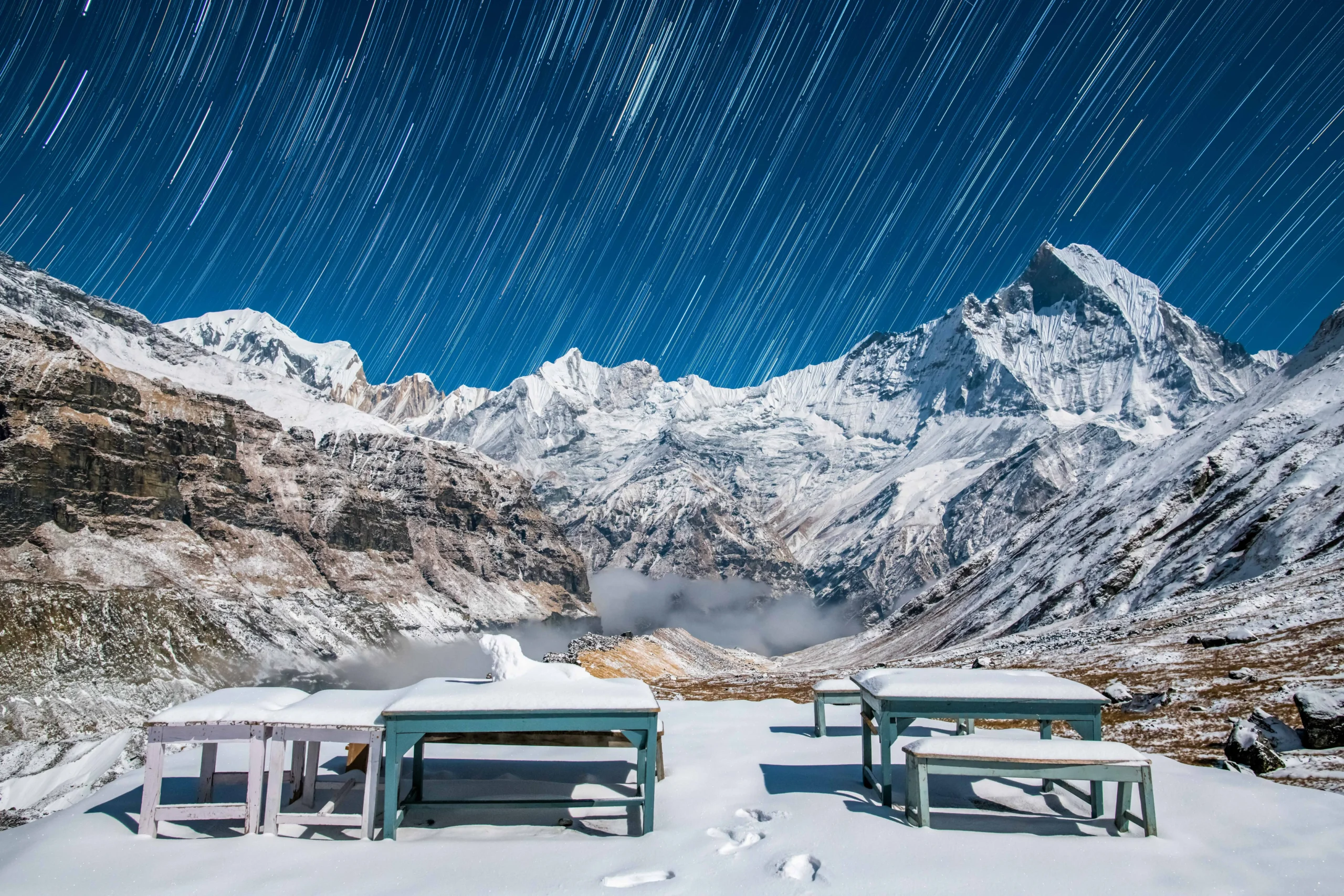
This iconic Himalayan journey offers the perfect blend of natural beauty, cultural immersion, and physical challenge for trekkers seeking Nepal’s most comprehensive mountain experience. Our professional Hindi-English speaking guides, complete altitude safety support, and 15+ years of trekking expertise ensure your spiritual and adventurous journey is both meaningful and completely secure with no hidden costs – all permits, meals, and accommodation included.
Trust Signals: Nepal Tourism Board Licensed | 2000+ Successful Treks Completed | Professional Altitude Monitoring Available
Quick Overview Table
| Annapurna Circuit Trek Details | Information |
| Duration | 12-21 Days/Nights |
| Starting Point | Besisahar (845m) via Kathmandu |
| Transportation | Private Vehicle + Flight Options |
| Difficulty | Moderate to Challenging |
| Best Season | March-May, September-November |
| Group Size | 2-12 People (Private also available) |
| Languages | Hindi, English, Nepali |
| Inclusions | All Permits, Meals, Guide, Accommodation |
| Exclusions | International Flights, Personal Expenses, Tips |
Spiritual and Cultural Significance
Sacred Muktinath Temple – Divine Convergence
The Annapurna Circuit Trek leads you to Muktinath Temple (3,800m), one of Nepal’s most sacred pilgrimage sites revered by both Hindu and Buddhist devotees. For Hindus, this ancient temple dedicated to Lord Vishnu ranks among the 108 Divya Desams mentioned in sacred scriptures.
Hindu pilgrims believe that bathing in the temple’s 108 sacred water spouts washes away sins accumulated over multiple lifetimes, leading to moksha (spiritual liberation). The eternal flame burning from natural gas represents Jwala Mai’s divine presence, where devotees perform special prayers and rituals seeking spiritual purification.
Buddhist practitioners equally revere Muktinath as the meditation site where Guru Rinpoche (Padmasambhava) attained extraordinary spiritual powers. Tibetan Buddhists call this place “Chumig Gyatsa” meaning “Hundred Waters”, referring to the sacred water spouts.
Cultural Heritage Along the Circuit
Gurung and Magar Villages showcase Nepal’s rich ethnic diversity with traditional stone houses, prayer wheels, and colorful prayer flags fluttering in mountain winds. Experience authentic Tibetan-influenced Buddhist culture in Manang and Mustang regions.
Thakali villages offer insights into ancient trans-Himalayan trade routes, where merchants traveled between Tibet and India. Each village preserves unique customs, traditional architecture, and spiritual practices passed down through generations.
Annapurna Circuit Trek: 13-Day Itinerary
-
Arrival and hotel check-in
-
Pre-trek briefing with experienced guide
-
Equipment check and rental if needed
-
Permit processing (ACAP and TIMS cards)
-
Welcome dinner with traditional Nepali cuisine
Travel Time: 6–8 hours | Mode: Private vehicle
-
Early morning departure from Kathmandu (7:00 AM)
-
Scenic drive through Trishuli River valley
-
Lunch stop in Mugling town
-
Arrival in Besisahar – trek starting point
-
Overnight: Guesthouse in Besisahar
Trekking Time: 6–7 hours | Distance: 15 km
-
Trek through rice terraces and subtropical forests
-
Cross several suspension bridges over Marsyangdi River
-
Pass through villages: Bhulbhule, Bahundanda
-
Observe changing vegetation and mountain views
-
Overnight: Teahouse in Jagat
Trekking Time: 5–6 hours | Distance: 12 km
-
Ascend through rhododendron forests
-
Enter Annapurna Conservation Area
-
First glimpses of snow-capped peaks
-
Cultural transition from Hindu to Buddhist regions
-
Overnight: Lodge in Dharapani
Trekking Time: 5–6 hours | Distance: 11 km
-
District headquarters of Manang region
-
Apple orchards and pine forests
-
Stunning views of Annapurna II and Lamjung Himal
-
First significant altitude gain – acclimatization begins
-
Overnight: Comfortable lodge in Chame
Trekking Time: 5–6 hours | Distance: 13 km
-
Enter high mountain landscape
-
Spectacular views of Paungda Danda rock face
-
Choose between Upper and Lower Pisang
-
Tibetan-influenced Buddhist culture begins
-
Overnight: Mountain lodge in Pisang
Trekking Time: 6–7 hours | Distance: 15 km
-
Two route options: Upper (scenic) or Lower (easier)
-
Visit ancient monasteries and chortens
-
Panoramic views of Annapurna III, IV, and Gangapurna
-
Arrival in Manang – major acclimatization point
-
Overnight: Lodge in Manang
-
Rest day for altitude adjustment
-
Visit Manang Monastery and museum
-
Optional hike to Gangapurna Lake (3,540m)
-
Explore traditional Manangba culture
-
Body preparation for Thorong La Pass crossing
-
Health check with guide’s oximeter
-
Overnight: Same lodge in Manang
Trekking Time: 4–5 hours | Distance: 10 km
-
Gradual ascent through alpine meadows
-
Enter high altitude zone beyond the tree line
-
Yak grazing grounds with stunning mountain amphitheater
-
Prepare for final assault on Thorong La Pass
-
Overnight: Basic lodge in Yak Kharka
Trekking Time: 3–4 hours | Distance: 7 km
-
Short but steep ascent
-
Final base camp before pass crossing
-
Equipment check and early dinner
-
Rest before alpine start at 2:00 AM next day
-
Overnight: Basic lodge in Thorong Phedi
Trekking Time: 8–9 hours | Distance: 16 km | Alpine Start: 2:00 AM
-
World’s longest trekking pass crossing
-
Most challenging day of the trek
-
Spectacular 360° mountain views
-
Prayer flags and celebration at pass summit
-
Descent to Muktinath Temple (3,800m)
-
Overnight: Lodge in Muktinath
Trekking Time: 4–5 hours | Distance: 12 km
-
Sacred temple visit – 108 water spouts and eternal flame
-
Enter Kali Gandaki Valley – world’s deepest gorge
-
Strong afternoon winds typical of region
-
Dramatic landscape change to desert-like terrain
-
Overnight: Comfortable lodge in Jomsom
Option 1: Flight (25 minutes) ₹15,000 per person
Option 2: Jeep (6–7 hours) ₹3,000 per person
-
Morning flight offers spectacular mountain views
-
Jeep journey through dramatic gorge scenery
-
Arrive in Pokhara – celebration and rest
-
Overnight: Hotel in Pokhara
Travel Time: 6–7 hours by road or 25-minute flight
-
Scenic bus journey through valleys
-
Flight option for time-conscious trekkers
-
Farewell dinner in Kathmandu
-
Trek completion ceremony and certificates
-
Overnight: Hotel in Kathmandu
Best Time to Visit – Month-by-Month Analysis
Peak Season – Autumn (September to November)
Weather: Clear skies, stable weather, excellent visibility Temperature: 5°C to 20°C (varies by altitude) Advantages:
- Crystal-clear mountain views with minimal cloud cover
- Post-monsoon fresh air and clean atmosphere
- Perfect weather conditions for high-altitude trekking
- Stable temperatures ideal for camping and lodge stays
- Festival season – experience Dashain and Tihar celebrations
Disadvantages:
- Peak tourist season with crowded trails and lodges
- Higher accommodation costs due to increased demand
- Advanced booking required for popular dates
Excellent Season – Spring (March to May)
Weather: Warm days, clear skies, blooming rhododendrons Temperature: 10°C to 25°C (varies by altitude) Advantages:
- Rhododendron forests in full bloom creating colorful trails
- Longer daylight hours for trekking
- Moderate temperatures perfect for high-altitude activities
- Clear mountain views especially in March-April
- Fewer crowds compared to autumn season
Disadvantages:
- Hazy lower elevations due to dust and heat in May
- Afternoon clouds may obscure mountain views
- Warmer temperatures at lower elevations
Off-Season – Winter (December to February)
Weather: Cold but clear, minimal precipitation Temperature: -10°C to 15°C (varies dramatically by altitude) Advantages:
- Cheapest trek packages with significant discounts
- Empty trails and unlimited lodge availability
- Crystal-clear mountain views on sunny days
- Peaceful, solitary experience in the mountains
Disadvantages:
- Extremely cold temperatures, especially at high altitudes
- Thorong La Pass may be closed due to heavy snow
- Limited lodge services and shorter operating hours
- Shorter daylight hours restricting trekking time
Avoid – Monsoon (June to August)
Weather: Heavy rainfall, cloudy skies, humid conditions Advantages:
- Lush green landscapes and flowing waterfalls
- Lowest trek costs available
- Cool temperatures at lower elevations
Disadvantages:
- Constant rainfall making trails muddy and slippery
- No mountain views due to persistent cloud cover
- High risk of landslides and trail closures
- Leeches and insects in forested areas
- Flight cancellations to/from mountain airstrips
Safety Guidelines & Altitude Management
Professional Altitude Sickness Prevention
Our Comprehensive Safety Protocol:
- Certified guides trained in high-altitude medicine
- Pulse oximeters for daily oxygen saturation monitoring
- Emergency oxygen cylinders carried above 3,500m
- Gradual ascent schedule following “climb high, sleep low” principle
- Mandatory rest days in Manang (3,520m) for acclimatization
Emergency Evacuation Procedures
Complete Emergency Support System:
- 24/7 communication with rescue coordination centers
- Helicopter evacuation insurance recommended (₹15,000)
- Emergency medical kits including altitude sickness medications
- Satellite communication devices in remote areas
- Local hospital network coordination for serious cases
Essential Safety Equipment Provided
Professional Safety Gear:
- First aid kits with altitude medications
- Emergency shelters for weather protection
- GPS devices for navigation backup
- Weather monitoring equipment
- Emergency food supplies for unexpected delays
Daily Health Monitoring
Regular Health Assessments:
- Morning health checks with pulse oximeter readings
- Altitude sickness symptom monitoring using Lake Louise Scale
- Fluid intake tracking to prevent dehydration
- Sleep quality assessment at high altitudes
- Physical condition evaluation before demanding days
Cultural Guidelines & Protocol
Muktinath Temple Etiquette
Sacred Site Behavior:
- Remove shoes before entering temple premises
- Modest clothing required – cover shoulders and legs
- Photography restrictions apply in certain areas
- Respectful silence during prayer ceremonies
- Hindu and Buddhist customs to be honored equally
Buddhist Monastery Protocol
Monastery Visit Guidelines:
- Walk clockwise around monasteries and chortens
- Don’t point feet toward Buddha statues or monks
- Remove hats and sunglasses inside prayer halls
- Photography permissions required from monastery officials
- Donations appreciated for monastery maintenance
Village Interaction Etiquette
Cultural Sensitivity Guidelines:
- Traditional Namaste greeting with palms together
- Respect local customs regarding dress codes
- Ask permission before photographing local people
- Support local economy by purchasing authentic handicrafts
- Learn basic Nepali phrases for better cultural connection
Environmental Conservation
Leave No Trace Principles:
- Pack out all trash including biodegradable waste
- Use designated toilet facilities or proper waste disposal
- Stay on marked trails to prevent erosion
- Don’t disturb wildlife or pick plants/flowers
- Use eco-friendly soap for washing near water sources
Ready to embark on this life-changing Himalayan adventure?
Book Your Sacred Annapurna Circuit Journey Today!
Contact our trek specialists for personalized consultation and customized family packages.
FAQ
Annapurna Circuit Trek is a 12-21 day legendary mountain adventure covering 160-230 kilometers around the Annapurna Massif, reaching Thorong La Pass (5,416m) with stunning views of 8,000-meter peaks, diverse landscapes from subtropical forests to high-altitude deserts, and rich cultural experiences through Gurung, Manang, and Thakali villages, starting from Besisahar.
User Reviews
Be the first to review “Annapurna Circuit Trek”
General Inquiries
There are no inquiries yet.




There are no reviews yet.