
Travel with Purpose
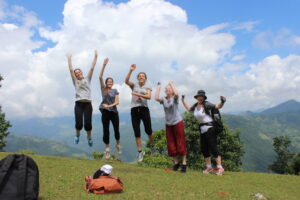
Meaningful Experiences with Debyani Tours & Travels
Nepal is not just about breathtaking landscapes and adventure—it’s also a place where travelers can make a real difference. At Debyani Tours & Travels, we believe in “Travel with Purpose,” offering experiences that connect you with local communities, support sustainable initiatives, and leave a positive impact. Here’s how you can travel meaningfully in Nepal:
1. Community Homestays: Live Like a Local
Immerse yourself in Nepal’s rich culture by staying with local families in rural villages. Experience authentic Nepali hospitality, participate in daily activities like farming or cooking, and contribute directly to the community’s economy.
- Tharu Homestay (Chitwan): Learn indigenous traditions and jungle survival skills.
- Sikles Village Homestay (Near Pokhara): Enjoy mountain views while supporting ethnic Gurung families.
- Ghandruk Homestay: Enjoy local cuisine, stunning Mount Fishtail view and local Cultural show while supporting local community
2. Cookery Classes at FAB School
Discover the secrets of Nepali cuisine while empowering underprivileged youth. FAB School trains disadvantaged students in hospitality skills. Join a cooking class where students guide you in preparing momos, dal bhat, and Newari delicacies—your participation helps fund their education.
3. Rainwater Harvesting with Kanchan Nepal
Learn about sustainable water management from Kanchan Nepal, a pioneer in rainwater harvesting. Visit projects where simple “Kanchan Filters” provide clean drinking water to rural communities. You can even assist in building or maintaining these systems, leaving behind a lasting impact.
4. Support Students in Rural Chepang Village
The Chepang people are one of Nepal’s most marginalized indigenous groups. Visit their villages and contribute through:
- Teaching English at local schools.
- Donating books, uniforms, or school supplies.
- Helping with infrastructure projects (building classrooms, toilets).
5. Other Social Work & Volunteer Opportunities
- Women’s Empowerment: Work with cooperatives producing handicrafts or organic products.
- Reforestation Projects: Plant trees in areas affected by deforestation.
- Animal Welfare: Assist at wildlife rescue centers or street dog shelters.
Why Travel with Purpose?
 Authentic cultural exchange beyond typical tourism. Direct economic benefits to marginalized communities. Sustainable travel that protects Nepal’s environment. Personal fulfillment by giving back.
At Debyani Tours & Travels, we design trips that blend adventure with altruism. Whether you’re exploring the Himalayas or engaging in social work, your journey will leave footprints of kindness.
Ready to Travel with Purpose? Contact us today to plan your meaningful Nepal experience!
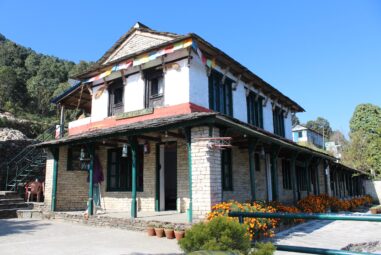
Home stay in Ghandruk Village
Hike through the Secret Valley Learn about traditional tracks Car on Arrival Accommodations
Trip Highlights:
- Visit Kathmandu's famous temples: Boudhanath, Pashupatinath & Swayambhunath
- Take a 25-minute scenic flight with mountain views
- Stay in a real Gurung village and learn their traditions
- Sleep in a mountain teahouse like trekkers do
- Try apple brandy in Marpha, the Apple Capital of Nepal
- Visit the sacred Muktinath Temple (3,800m)
- Relax in natural hot springs at Tatopani
- Drive through the world's deepest gorge
- Ride a cable car to Manakamana Temple
- See amazing views of Annapurna, Dhaulagiri & Fishtail Mountain
QUICK ITINERARY OVERVIEW
BEST TIME TO VISIT
DAY BY DAY ITINERARY
WHAT'S INCLUDED
- Airport pickup and drop-off
- Round-trip flights (Kathmandu-Pokhara-Kathmandu)
- Private 4WD Jeep for mountain areas
- 9 nights in comfortable hotels/lodges
- Breakfast every day
- English-speaking guide
- All permits for mountain areas
- Cable car tickets to Manakamana
- Entry fees for all temples and sites
- Government taxes
WHAT'S NOT INCLUDED
- Your flight to/from Nepal
- Nepal visa fees
- Lunch and dinner (except breakfast)
- Travel insurance
- Alcohol and extra drinks
- Tips for guide and driver
- Extra costs from bad weather or delays
BOOK NOW - See the Real Nepal!
Contact us today to book your trip through temples, mountains, and village life.Important Things to Know
About Altitude: Muktinath is at 3,800m (12,500 feet). Drink lots of water and tell your guide right away if you feel sick (headache, dizzy, or nauseous). What to Pack: Bring layers - from t-shirts to warm jackets. You need warm jacket, hat, gloves, sunscreen, good walking shoes, rain jacket, and basic medicine. Road Conditions: Mountain roads can be rough and bumpy. Sometimes we need to change plans because of weather or road problems. Respect Local Culture: Cover your shoulders and knees at temples. Take off shoes before entering religious places. Ask before taking photos of people. Fitness Level: You need to be able to walk and climb stairs. No special trekking skills needed, but basic fitness helps.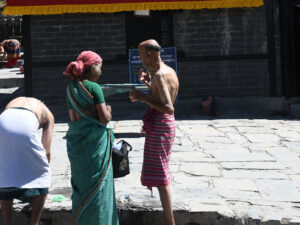
Muktinath Yatra – A Sacred Journey in the Himalayas
The Muktinath Yatra is a 6-day sacred pilgrimage to Lord Vishnu’s temple, located at an elevation of 3,710 meters, featuring 108 holy water spouts (Muktidhara) and natural gas flames. The journey begins at the Nepal-India border, offering Muktinath tour packages starting from ₹35,000.Quick Details on Muktinath Yatra Tour Package:
- Duration: 6 Days/5 Nights
- Starting Point: Nepal-India Border
- Transportation: Private 4WD Jeep/Car/Bus
- Difficulty: Easy to Moderate
- Best Season: March-May, September-November
- Group Size: 4+ people (Private also available)
- Languages: Hindi, English, Nepali
- Inclusions: Full Package, All Permits Included
- Exclusions: Personal expenses, alcoholic beverages
Highlights:
- Spiritual & Pilgrimage Sites: Muktinath, Galeshwor Dham, Gupteshwor Cave & Bindabasini Temple
- Scenic Attractions: Peace Stupa, Pumdikot, & Sarangkot Sunrise
- Nature & Culture: Rupse fall, Marpha Thakali Village, Apple farm
- Destination Covered: Pokhara, Jomsom, Kagbeni & Muktinath
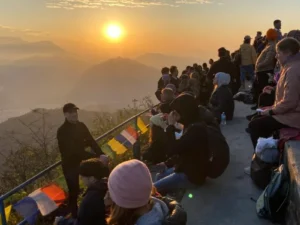
Sarangkot Sunrise Tour Quick Facts
| Tour Details | Information |
| Duration | 4 Hours (Early Morning) |
| Starting Point | Pokhara Hotels |
| Transportation | Private Vehicle/Jeep |
| Difficulty | Easy |
| Best Season | October-March (Clear Views) |
| Group Size | 2-15 People (Private Available) |
| Languages | Hindi, English, Nepali |
| Inclusions | Transport, Guide, Viewpoint Access |
| Exclusions | Breakfast, Personal Expenses |
Why Sarangkot is Nepal's Premier Sunrise Destination
Natural Magnificence
Sarangkot stands as Nepal's most celebrated sunrise viewpoint, positioned perfectly to showcase the Annapurna mountain range in all its golden glory. Located just 1,592 meters above sea level, this scenic hilltop offers unobstructed panoramic views of eight magnificent peaks including Annapurna I (8,091m), Dhaulagiri (8,167m), and the iconic fish-tail shaped Machhapuchhre (6,993m). The viewpoint's strategic location provides a 180-degree mountain vista that transforms dramatically as the first rays of sunlight touch the snow-capped summits. This natural amphitheater creates perfect conditions for witnessing the phenomenon locals call "golden hour magic."Cultural and Spiritual Significance
For centuries, local communities have considered Sarangkot a sacred place where earth meets sky. Hindu traditions view sunrise as a time of divine blessings, making this experience spiritually meaningful for many visitors. The name "Sarangkot" derives from "Saranga," meaning a type of musical instrument, as locals believed the wind through the hills created melodious sounds. This cultural connection adds deeper meaning to your sunrise experience.Sarangkot Sunrise Tour Itinerary
Best Time to Visit Sarangkot
Peak Season (October-March)
Weather Conditions: Clear skies, minimal cloud cover, crisp mountain air Visibility: Excellent mountain views with 90%+ success rate Temperature: Cool mornings (5-10°C), comfortable after sunrise Advantages: Crystal-clear mountain views, perfect photography conditions Booking: Advance reservation recommended during peak tourist season October through March provides optimal conditions for Sarangkot sunrise viewing. The post-monsoon period ensures clean mountain air and maximum visibility of distant peaks.Shoulder Season (April-May, September)
Weather Conditions: Generally clear with occasional morning haze Visibility: Good mountain views with 70-80% success rate Temperature: Moderate mornings (8-15°C), warming quickly after sunrise Advantages: Fewer crowds, comfortable temperatures, spring/autumn colors Booking: Easier availability, potential for last-minute bookingsMonsoon Season (June-August)
Weather Conditions: Heavy cloud cover, frequent rain, limited visibility Visibility: Poor mountain views with 30-40% success rate Temperature: Warm and humid mornings (15-20°C) Considerations: We offer alternative indoor viewing locations during heavy weather Booking: Flexible cancellation policies during monsoon period Monthly Breakdown:- December-February: Best visibility, coldest temperatures
- March-May: Excellent views, comfortable weather
- June-August: Limited visibility due to monsoon clouds
- September-November: Clear skies return, ideal conditions
Safety Guidelines and Altitude Information
Altitude Considerations
Sarangkot sits at 1,592 meters elevation, which poses minimal altitude risk for most visitors. However, we maintain professional safety standards for all mountain excursions. Our guides carry basic first aid equipment and maintain communication with Pokhara medical facilities. The moderate elevation rarely causes altitude-related issues, making this tour suitable for all age groups.Transportation Safety
We use well-maintained vehicles specifically chosen for mountain road conditions. All drivers possess mountain driving experience and valid licenses for tourist vehicle operation. Vehicle safety features include seat belts, first aid kits, and emergency communication devices. We conduct regular vehicle maintenance to ensure safe mountain travel.Weather Safety Protocols
Morning weather conditions can change rapidly in mountain environments. Our guides monitor weather forecasts and maintain flexibility for route adjustments if necessary. We provide blankets and warm beverages during cold mornings. In case of severe weather, we offer alternative viewpoints or tour rescheduling options.Group Safety Management
Guides maintain constant communication with all group members during the viewing period. We establish clear meeting points and provide emergency contact information. The viewpoint area includes safety barriers and designated pathways. Our guides ensure all visitors understand safety protocols before beginning the sunrise viewing experience.Cultural Guidelines and Respect
Local Community Interaction
Sarangkot remains home to traditional Nepali farming communities who welcome visitors respectfully. We encourage polite interaction while respecting privacy and daily routines. Local vendors offer traditional tea, coffee, and light snacks. Supporting these small businesses benefits the community directly while enhancing your cultural experience.Photography Ethics
We encourage photography of landscapes and mountains while requesting permission before photographing local people. Respectful photography practices maintain positive relationships with local communities. Professional guides assist with photography techniques while ensuring cultural sensitivity. We share knowledge about composition and lighting while respecting local customs.Environmental Responsibility
Sarangkot's natural beauty requires careful preservation for future generations. We follow "leave no trace" principles, ensuring minimal environmental impact during our visits. We carry reusable water bottles and encourage waste reduction. Supporting eco-friendly practices helps maintain the pristine mountain environment that makes Sarangkot special.Religious and Cultural Sensitivity
The small temple at Sarangkot holds spiritual significance for local communities. Visitors should remove shoes before entering religious areas and maintain quiet, respectful behavior. We explain local customs and traditions, helping visitors understand the cultural context of their mountain experience beyond just scenic beauty.What's Included vs What's Not Included
Package Inclusions
Transportation: Round-trip vehicle transport from Pokhara hotels with experienced mountain driver and comfortable seating for all group members. Professional Guide: Hindi/English-speaking guide with mountain knowledge, photography assistance, and cultural interpretation throughout the tour. Viewpoint Access: Entry to optimal sunrise viewing locations with advance positioning for best mountain views and photography opportunities. Safety Support: Basic first aid equipment, emergency communication devices, blankets for cold weather, and professional safety management. Route Planning: Optimal timing calculation, traffic management, and alternative route knowledge for guaranteed sunrise viewing experience.Package Exclusions
Meals and Beverages: Breakfast, snacks, tea/coffee, or any food items unless specified in premium packages requiring separate payment. Personal Expenses: Souvenirs, additional photographs, tips for guides/drivers, or personal shopping at local vendors. Travel Insurance: Personal travel insurance coverage for medical emergencies, trip cancellation, or personal belongings protection. Hotel Accommodation: Overnight stays in Pokhara or any accommodation costs related to your travel arrangements. Optional Activities: Temple donations, additional viewpoint visits, extended photography sessions, or helicopter rides if requested.Optional Add-ons Available
Mountain Breakfast: Traditional Nepali breakfast at hilltop cafe (₹500 per person) Professional Photography: Dedicated photographer for group/family photos (₹2,000 per session) Helicopter Extension: Short helicopter flight over mountains after sunrise (₹15,000 per person) Cultural Village Visit: Extended tour including traditional village exploration (₹1,000 per person)Booking Process and Policies
How to Book Your Sunrise Tour
Step 1: Reservation Contact our booking team via WhatsApp, phone, or email with your preferred date and group size. We check availability and confirm optimal weather conditions for your selected date. Step 2: Package Selection Choose from our three package options based on your budget and comfort preferences. Our team explains all inclusions and helps select the best option for your group. Step 3: Confirmation Details Provide hotel accommodation details in Pokhara for pickup coordination. We send confirmation with exact pickup time, guide contact information, and weather backup plans. Step 4: Payment Process Pay 30% advance booking amount via bank transfer, online payment, or cash. Balance payment completed on tour day before departure or through our office in Pokhara.Cancellation and Refund Policies
Weather Cancellations If poor weather conditions prevent mountain visibility, we offer free rescheduling to the next clear day or full refund for tour cancellation. Customer Cancellations- 24 hours notice: Full refund minus processing fees
- 12-24 hours notice: 50% refund of advance payment
- Less than 12 hours: No refund unless weather-related
Payment Methods Accepted
Online Payments: Bank transfer, credit cards, digital wallets Cash Payments: Nepali Rupees, US Dollars, Indian Rupees Office Payments: Visit our Pokhara office for direct payment processing Ready to witness Nepal's most spectacular sunrise? Book your Sarangkot Sunrise Tour today and experience the golden magic of Himalayan peaks with our professional team. Contact us now for availability and special group discounts!Contact Information
- WhatsApp/Phone: +977 9856014889
- Email: info@debyanitours.com
Frequently Asked Questions
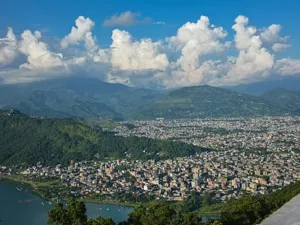
| Tour Details | Information |
| Duration | Full Day (8-10 hours) |
| Starting Point | Pokhara Hotels |
| Transportation | Private Car/Van |
| Difficulty | Easy (No trekking required) |
| Best Season | September-May |
| Group Size | 2-15 people (Private also available) |
| Languages | Hindi, English, Nepali |
| Inclusions | Transportation, Guide, Entry Fees |
| Exclusions | Meals, Personal Expenses, Tips |
Why Pokhara City Tour is Special
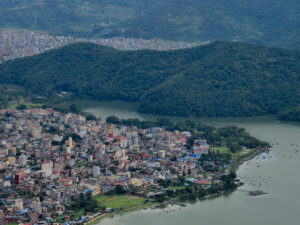
Natural Beauty Meets Spiritual Significance Pokhara serves as Nepal's tourism capital, offering the perfect combination of natural wonders and cultural treasures. This lakeside city provides stunning reflections of snow-capped Annapurna and Machhapuchhre (Fishtail) mountains in the serene Phewa Lake. Spiritual Attractions for Indian Pilgrims The city houses several important Hindu temples including Tal Barahi Temple dedicated to Goddess Durga, located on an island in Phewa Lake. Bindabasini Temple, dedicated to Goddess Bhagwati, attracts devotees seeking divine blessings and protection. Adventure Without Physical Challenges Unlike trekking tours, our city sightseeing requires no physical fitness or altitude concerns. Families with elderly members can comfortably explore all attractions using private transportation with frequent rest stops. Photography Paradise Every location offers exceptional photo opportunities - from mountain reflections in lakes to colorful prayer flags at temples. Our guides know the best angles and timing for memorable family photographs.Pokhara Full-Day Sightseeing Itinerary
Best Time to Visit Pokhara
Peak Season (September-November) Clear mountain views, perfect weather conditions (15-25°C), and excellent visibility make autumn ideal for sightseeing. Festival season brings additional cultural experiences at temples. Spring Season (March-May) Rhododendron blooms, warm temperatures (20-30°C), and clear skies provide excellent conditions. Pre-monsoon period offers spectacular mountain photography opportunities. Winter Season (December-February) Cool temperatures (5-20°C) with crystal clear mountain views. Perfect for photography but requires warm clothing during early morning and evening hours. Avoid Monsoon (June-August) Heavy rainfall, cloudy skies, and poor mountain visibility reduce sightseeing quality. However, lush green landscapes and fewer crowds appeal to some visitors.Safety Guidelines & Support
Transportation Safety Our licensed drivers undergo regular safety training for mountain road conditions. All vehicles receive mandatory maintenance checks and carry first aid kits for emergency situations. Professional Guide Support Hindi-speaking guides hold Nepal Tourism Board licenses and receive cultural sensitivity training. They carry emergency contact numbers and maintain communication with our office throughout the tour. Health Considerations Pokhara sits at 822 meters altitude, requiring no acclimatization concerns. However, we advise comfortable walking shoes for temple visits and cave exploration. Emergency Procedures 24/7 emergency contact support available throughout your tour. Our office maintains direct communication with local hospitals and police stations for immediate assistance if required. Insurance Coverage We recommend comprehensive travel insurance covering medical emergencies and trip cancellations. Our company maintains public liability insurance for all tour operations.Cultural Guidelines for Temple Visits
Dress Code Requirements- Bindabasini Temple: Conservative clothing covering shoulders and knees
- Tal Barahi Temple: Remove shoes before entering temple premises
- World Peace Pagoda: Respectful attire suitable for Buddhist site
- Temple interiors: Ask permission before photographing deities
- Local devotees: Respect privacy during prayer ceremonies
- Sacred areas: Follow guide instructions for appropriate photo locations
- Remove footwear before entering temple compounds
- Maintain quiet, respectful behavior during prayers
- Avoid pointing feet toward religious statues or altars
- Follow clockwise direction when circumambulating temples
- Greet locals with "Namaste" using traditional prayer gesture
- Accept prasad (blessed food) graciously when offered
- Donate small amounts at temple donation boxes if desired
- Respect local customs and follow guide recommendations
Book Your Sacred Journey
Experience Pokhara's natural beauty and cultural treasures with complete peace of mind. Our professional planning ensures your city sightseeing tour becomes a memorable spiritual and scenic experience for the entire family. Contact Information:- WhatsApp: +977-9856014889
- Email: info@debyanitours.com
Frequently Asked Questions
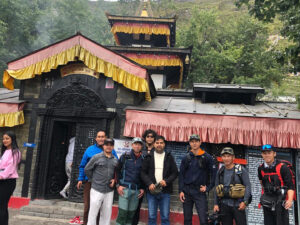
From Sacred Temples to Serene Lakes – A Himalayan Road Adventure
The perfect mix of spirituality and Himalayan beauty on this 5-day pilgrimage from Sonauli. This journey takes you from the busy border town through Nepal's most sacred mountain landscapes to the peaceful shores of Pokhara, creating memories that go beyond ordinary travel. You will start your journey to the Muktinath temple from Sonauli, where crossing into Nepal introduces you to a land where ancient traditions meet stunning Himalayan views. Over five days, you will reach one of Nepal’s most important pilgrimage sites, Muktinath Temple, which is located at 3,710 meters. Muktinath is a sacred site for both Hindus and Buddhists. Hindus honor it as one of the 108 Divya Desams, believing that visiting the temple helps attain moksha (liberation). The temple is famous for its eternal natural-gas flame and flowing water, symbolizing the unity of the five elements. Pilgrims also bathe under 108 cow-shaped water spouts, which are believed to cleanse sins and bring blessings. For Buddhists, Muktinath represents spiritual awakening and remains an important pilgrimage stop. For centuries, people have traveled through the mountains to seek peace and blessings at this holy place. On this spiritual journey, you will explore villages in the Himalayas, walk through waterfalls flowing through lush forests, and enjoy lakes that reflect the snow-capped Annapurna range. Between moments of spiritual reflection, relax in natural hot springs, enjoy the warm hospitality of mountain communities, and watch golden sunsets over Pokhara's Phewa Lake.MAJOR HIGHLIGHTS
- Spiritual Sites: Muktinath Temple, Galeshwor Dham, Gupteshwor Cave, Bindabasini Temple
- Scenic Spots: Peace Stupa, Pumdikot, Sarangkot for sunrise views
- Cultural & Natural Experiences: Rupse Waterfall, Marpha Thakali Village, local apple farms
- Destinations Covered: Pokhara, Jomsom, Kagbeni, Muktinath
- Local Cuisine Experience: Taste traditional Thakali food and Himalayan delicacies in local villages
- Adventure & Trekking: Easy mountain trails and scenic walks offering panoramic views of the Annapurna and Dhaulagiri ranges
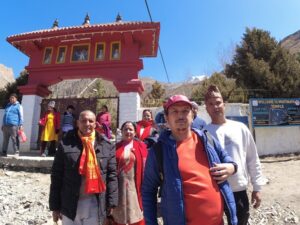
MAJOR HIGHLIGHTS
- Muktinath Temple (3,710m) – receive blessings at this revered shrine of liberation
- Ancient Kagbeni Village – gateway to Upper Mustang's mystical landscapes
- Bindhyabasini Temple – Pokhara's beloved Hindu sanctuary
- Kaligandaki Gorge – the world's deepest gorge between two 8,000m peaks
- Jomsom Viewpoint – panoramic vistas of the Annapurna and Dhaulagiri ranges
- Dhumba Lake – tranquil alpine waters surrounded by peaks
- Marpha Village – historic apple orchards and traditional Thakali architecture
- Rupse Waterfall – powerful 100-meter mountain cascade
- Tatopani Hot Springs – naturally heated mineral waters (1,190m)
Quick Overview Table
| Pokhara Day Tour Details | Information |
| Duration | 12 Hours (6 AM - 6 PM) |
| Starting Point | Kathmandu Hotels |
| Transportation | Private AC Vehicle |
| Difficulty | Easy (All Ages) |
| Best Season | March-May, September-November |
| Group Size | 2-8 People (Private Tours Available) |
| Languages | Hindi, English, Nepali |
| Inclusions | Transport, Guide, Permits, Lunch |
| Exclusions | Boat Rides, Personal Expenses, Tips |
Spiritual Significance of Pokhara
Sacred Lake City Connection Pokhara holds deep spiritual significance as Nepal's gateway to the Annapurna region, where ancient sages meditated for centuries. The city's pristine Phewa Lake reflects the sacred Machhapuchhre (Fishtail Peak), considered Lord Shiva's divine abode that remains unclimbed out of religious respect. Hindu pilgrims revere Pokhara for its numerous temples and the spiritual energy emanating from the convergence of mountains, lakes, and rivers. The city serves as a purification stop for devotees heading to higher Himalayan pilgrimage sites. Bindhabasini Temple Importance Bindhabasini Temple, Pokhara's most sacred Hindu shrine, is dedicated to Goddess Durga in her powerful form. Devotees believe that prayers offered here during Dashain festival bring divine protection and prosperity to families. The temple's location on a hilltop provides panoramic views of the Annapurna range, symbolizing the goddess watching over the valley. Local Hindus and visiting pilgrims perform puja ceremonies here for spiritual blessings and fulfillment of wishes. Buddhist Cultural Heritage Pokhara's Buddhist heritage includes several gompas (monasteries) where Tibetan refugees practice traditional meditation. The World Peace Pagoda, built by Japanese Buddhist monks, represents universal peace and harmony. Buddhist practitioners visit Pokhara to experience the serene mountain environment that aids meditation and spiritual reflection. The city's peaceful atmosphere supports both Hindu and Buddhist spiritual practices.Detailed Day-wise Itinerary
Kathmandu–Pokhara One-Day Spiritual Tour
Best Time to Visit Pokhara
Peak Season (March-May, September-November) These months offer clear mountain views, stable weather, and comfortable temperatures (15-25°C) perfect for sightseeing and temple visits. Annapurna peaks remain visible throughout the day with minimal cloud cover. Spring season (March-May) brings blooming rhododendrons and perfect weather for outdoor temple visits. Post-monsoon months (September-November) provide crystal-clear mountain views and ideal photography conditions. Moderate Season (December-February) Winter months offer clear skies but cold temperatures (5-15°C), requiring warm clothing for early morning and evening travels. Mountain views remain excellent, but prepare for chilly weather during temple visits. Off-Peak Season (June-August) Monsoon season brings heavy rainfall and cloudy skies that obscure mountain views. While temples remain accessible, outdoor activities become challenging due to frequent rain and muddy roads. Festival Seasons Dashain festival (September-October) makes Bindhabasini Temple visits especially auspicious. Teej celebrations bring special energy to Pokhara's temples with traditional music and colorful decorations.Safety Guidelines & Support
Professional Transportation Safety Our Nepal Tourism Board licensed drivers maintain vehicles with regular safety inspections and GPS tracking systems. All vehicles carry emergency contact numbers and first aid equipment for passenger safety. Experienced drivers familiar with mountain roads ensure comfortable travel between Kathmandu and Pokhara. We monitor weather conditions and adjust departure times for optimal safety. Guide Safety Protocols Our certified Hindi-speaking guides carry emergency communication devices and maintain contact with our Kathmandu office throughout the tour. Guides receive regular training in tourist safety and emergency procedures. Temple visit safety includes proper guidance on dress codes, photography restrictions, and respectful behavior during religious ceremonies. Medical Support Available Emergency medical consultation available 24/7 through our partner network. Guides carry basic first aid supplies and emergency contact information for local hospitals. Travel insurance recommendations provided during booking process. We advise travelers to carry prescribed medications and inform guides of any health conditions requiring special attention. Communication Support Mobile network coverage remains excellent throughout the Kathmandu-Pokhara route. Our guides provide local SIM cards if needed and assist with international calling requirements. Family contact updates provided to relatives during long travel days, ensuring peace of mind for family members in India.Cultural Guidelines & Temple Protocols
Hindu Temple Etiquette Bindhabasini Temple requires modest dress code with covered shoulders and legs. Remove shoes before entering temple premises and follow guide instructions for proper darshan procedures. Photography guidelines: Ask permission before photographing devotees, avoid flash during prayer ceremonies, and respect private prayer moments of other pilgrims. Buddhist Site Respect World Peace Pagoda welcomes visitors of all faiths but requires respectful silence during meditation hours. Walk clockwise around Buddhist monuments and avoid pointing feet toward Buddha statues. Offering procedures: Our guides explain appropriate offerings for each spiritual site and assist with proper prayer methods respecting both Hindu and Buddhist traditions. Local Cultural Sensitivity Greeting customs: Use "Namaste" with joined palms when meeting local people. Show respect to elderly individuals and religious practitioners throughout the journey. Environmental responsibility: Maintain cleanliness around sacred lakes and temples. Our tours support responsible tourism practices protecting Pokhara's natural beauty for future pilgrims. Ready to experience Pokhara's spiritual beauty? Contact our English speaking travel experts today for personalized Pokhara Day Tour packages that combine sacred temple visits with breathtaking mountain scenery!FAQ Section

Quick Overview Table
| Kalikasthan Hike Details | Information |
| Duration | 1 Day (6-8 hours) |
| Starting Point | Begnas Lake, Pokhara |
| Transportation | Car to Begnas Lake + Hiking |
| Difficulty | Moderate |
| Best Season | October-March, September-November |
| Group Size | 2-15 people (Private also available) |
| Languages | Hindi, English, Nepali |
| Inclusions | Guide, Transportation, Temple Entry, Lunch |
| Exclusions | Personal expenses, tips, extra snacks |
Spiritual Significance of Kalikasthan Temple
Sacred Temple of Goddess Kali
Kalikasthan Temple holds immense spiritual importance for Hindu devotees seeking Goddess Kali's divine protection and blessings. This sacred hilltop shrine is dedicated to Maa Kali, the fierce goddess who destroys evil and protects her devotees from negative forces. Hindu pilgrims believe that prayers offered at this elevated temple reach directly to the goddess due to its proximity to the heavens. The temple's location at 1,370 meters creates a powerful spiritual atmosphere where devotees experience enhanced connection with divine energy. Devotees perform special pujas and offer red flowers, vermillion, and sweets to seek the goddess's blessings for protection, prosperity, and removal of obstacles. The temple is particularly revered by families seeking divine protection for their children and businesses.Natural Spiritual Energy
The temple's mountaintop location creates a unique spiritual environment where earth and sky elements unite. Hindu scriptures emphasize that prayers offered at elevated sacred sites carry greater spiritual power and reach the divine realm more effectively. Many devotees report experiencing deep peace and spiritual transformation during their visit to Kalikasthan. The combination of physical effort (hiking) and devotional practice (bhakti) creates a complete spiritual experience that purifies both body and soul. The panoramic Himalayan views from the temple represent the goddess's all-seeing divine vision, watching over and protecting all her devotees across the valleys below.Detailed Itinerary
Best Time to Visit Kalikasthan
Peak Season (October-December)
October to December offers the best weather conditions for Kalikasthan hiking. Clear skies provide excellent mountain views, comfortable temperatures (15-25°C), and stable weather perfect for temple visits. Post-monsoon clarity ensures breathtaking Himalayan visibility from the temple. Festival seasons like Navratri and Diwali add special spiritual significance to temple visits during these months.Good Season (January-March)
January to March provides crisp, clear weather with cooler temperatures (10-20°C). Excellent mountain visibility continues, though morning mist may occasionally obscure views. Ideal for those preferring cooler hiking conditions. Spring flowers begin blooming in March, adding natural beauty to the hiking trail. Less crowded temple visits allow for peaceful meditation and prayer time.Moderate Season (September, April-May)
September offers post-monsoon freshness but possible afternoon clouds. April-May brings warmer temperatures (20-30°C) and pre-monsoon haze that may reduce mountain visibility. These months still provide good hiking conditions but require early morning starts to avoid afternoon heat and ensure clear temple views.Avoid Season (June-August)
Monsoon season (June-August) brings heavy rainfall, slippery trails, and cloudy skies that block mountain views. Leeches become active, and landslide risks increase on mountain paths. Temple access remains possible but weather conditions make hiking challenging and potentially unsafe for pilgrims, especially elderly devotees.Safety Guidelines & Altitude Management
Professional Safety Protocols
Our experienced guides carry comprehensive first aid kits and emergency communication devices throughout the hike. All guides receive regular safety training and mountain rescue certification to handle any emergency situations. We conduct mandatory safety briefings before starting the trek, covering proper hiking techniques, hydration requirements, and emergency procedures. Guides continuously monitor group members for signs of fatigue or altitude-related discomfort. Emergency evacuation procedures include immediate contact with local rescue services and transportation arrangements to nearest medical facilities in Pokhara.Physical Preparation Requirements
Moderate fitness levels are required for the 6-8 hour hiking experience. Regular walking or basic cardio exercise for 2-3 weeks before the trek helps ensure comfortable completion. The trail involves continuous uphill climbing for 3-4 hours, requiring steady endurance rather than technical climbing skills. Participants should be comfortable walking on uneven mountain paths. Age recommendations include 12+ years for children (with adult supervision) and careful assessment for elderly pilgrims above 65 years. Medical consultation advised for those with heart conditions or respiratory issues.Equipment & Clothing Guidelines
Sturdy hiking boots with good grip are essential for rocky and sometimes slippery trail sections. Comfortable, breathable clothing in layers allows temperature adjustment during the hike. Essential items include water bottles (2+ liters), sunhat, sunscreen, light rain jacket, and personal medications. Walking sticks available for rent help maintain balance during steep sections. Camera equipment should be secured properly during hiking. Professional photography services available for those preferring to focus on spiritual experience rather than documentation.Cultural Guidelines & Temple Protocols
Temple Dress Code & Behavior
Respectful clothing is mandatory for temple visits - covered shoulders and knees for both men and women. Traditional Indian or Nepali clothing is appreciated but not required. Remove shoes before entering the temple premises and maintain silence during prayer times. Photography inside the temple requires permission from the temple priest. Follow the guide's instructions for proper puja participation and offering procedures. Respect local customs and religious practices throughout the temple visit.Interaction with Local Communities
Greet local villagers with traditional namaste gesture showing respect for mountain communities. Support local economy by purchasing handicrafts or tea from village families. Learn basic Nepali greetings from your guide to enhance cultural interaction. Respect photography preferences of local people and always ask permission before taking portraits. Observe traditional farming practices and architectural styles with cultural appreciation. Your guide explains significance of local customs and religious practices encountered along the trail.Environmental Responsibility
Follow Leave No Trace principles throughout the hiking trail. Carry all waste back to Pokhara for proper disposal and avoid single-use plastics when possible. Respect wildlife and plant life along the trail. Do not disturb birds or animals, and avoid picking flowers or plants from the mountain ecosystem. Support sustainable tourism by choosing local guides, staying in community accommodations, and purchasing locally made products rather than imported goods. Start Your Sacred Journey Today! Experience divine blessings at Kalikasthan Temple with complete safety and cultural respect. Our professional team ensures your spiritual pilgrimage becomes an unforgettable memory of devotion and natural beauty. Contact Information:- WhatsApp: +977-9856014889 (24/7 Support)
- Email: info@debyanitoursnepal.com
Frequently Asked Questions (FAQs)
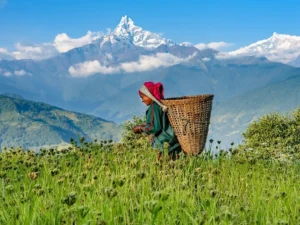
Quick Trek Overview
| Trek Details | Information |
| Duration | 2-3 Days/Nights |
| Starting Point | Pokhara |
| Transportation | Private Vehicle/Cable Car |
| Difficulty | Easy to Moderate |
| Best Season | March-May, September-November |
| Group Size | 2-15 people (Private groups available) |
| Languages | Hindi, English, Nepali |
| Inclusions | Guide, Permits, Meals, Accommodation |
| Exclusions | Personal expenses, Tips, Travel insurance |
Spiritual and Natural Significance
Gateway to Himalayan Spirituality The Sarangkot to Australian Base Camp to Dhampus Trek offers a profound spiritual connection with the sacred Himalayan peaks revered in Hindu traditions. These majestic mountains, including Annapurna and Machhapuchhre, hold deep religious significance as abodes of divine energies. For Hindu pilgrims, witnessing sunrise over these sacred peaks creates a transformative spiritual experience. The pristine mountain environment provides ideal conditions for meditation and self-reflection, while the journey through traditional villages offers insights into mountain spirituality. Cultural Heritage of Gurung Communities The trek passes through authentic Gurung (Tamu) villages where ancient traditions remain beautifully preserved. These indigenous communities have maintained their unique cultural identity for centuries, offering visitors genuine insights into Himalayan mountain life. Experience traditional Gurung hospitality through community homestays, witness time-honored farming practices on terraced hillsides, and participate respectfully in local customs. The Gurung people's connection with nature and mountains provides valuable lessons about sustainable living and spiritual harmony. Natural Wonders and Biodiversity The route showcases Nepal's incredible biodiversity through diverse ecosystems ranging from subtropical valleys to temperate mountain forests. During spring season, witness spectacular rhododendron blooms (Nepal's national flower) painting entire hillsides in vibrant colors. Wildlife observations include the colorful Himalayan Monal (Nepal's national bird), various pheasant species, langur monkeys, and over 250 butterfly varieties. The rich ecosystem supports medicinal plants traditionally used by local communities for centuries.Detailed Day-by-Day Itinerary
Pokhara to Sarangkot & Australian Base Camp Trek
Best Time to Visit
Peak Season (October-November): Perfect weather conditions with crystal clear mountain views and comfortable temperatures (15-25°C days). October offers the clearest skies for mountain photography and ideal conditions for cultural festivals including Dashain and Tihar celebrations. Spring Season (March-May): Spectacular rhododendron blooms transform the landscape into colorful displays. Mild temperatures and excellent visibility make this ideal for nature photography. April particularly favors wildflower enthusiasts and wildlife observation. Winter Trekking (December-February): Lower elevation makes winter trekking possible with crisp, clear mountain views. Temperatures range 0-10°C during daytime with cold nights (-15 to -20°C). Fewer crowds provide intimate cultural experiences. Monsoon Season (June-August): Heavy rainfall creates challenging trail conditions with muddy paths and obstructed mountain views. Limited visibility makes this season unsuitable for mountain photography, though lush green landscapes offer different beauty. Festival Calendar:- Tamu Lhosar (December 30): Gurung New Year celebration with traditional dances and community feasts
- Buddha Jayanti (April/May): Buddhist celebrations at local monasteries
- Dashain/Tihar (October): Major Hindu festivals with cultural programs
Safety Guidelines and Altitude Management
Professional Safety Protocols Our experienced guides carry comprehensive first aid equipment including emergency oxygen supplies, altitude monitoring devices (oximeters), and emergency communication systems. All guides receive regular safety training and hold valid wilderness first aid certifications. Altitude Acclimatization Support Although maximum elevation reaches only 2,065 meters, we monitor all trekkers for altitude-related symptoms. Our guides recognize early warning signs and implement appropriate response protocols including rest stops, hydration management, and descent procedures if necessary. Emergency Procedures 24/7 emergency evacuation support through helicopter rescue services ensures rapid response to serious medical situations. Comprehensive travel insurance coverage is mandatory for all participants, and we assist with evacuation coordination when required. Weather Safety Measures Daily weather monitoring helps avoid dangerous conditions including thunderstorms, heavy rainfall, and extreme temperature fluctuations. Flexible itinerary adjustments ensure trekker safety while maintaining cultural and scenic experiences. Trail Safety Standards Well-maintained stone-paved trails with clear red and white markers reduce navigation risks. Regular trail condition assessments identify potential hazards including loose rocks, steep sections, and seasonal challenges. Health Recommendations Basic fitness level sufficient for 3-5 hours daily walking on moderate terrain. No technical climbing skills required. Pre-trek health consultation recommended for participants with heart conditions, respiratory issues, or mobility limitations. Equipment Safety Professional equipment inspection ensures all safety gear meets international standards. Emergency shelter, communication devices, and weather protection equipment accompany every group.Cultural Guidelines and Etiquette
Respectful Interaction with Gurung Communities Approach local families with humility and genuine interest in their culture. Use traditional greetings (Namaste with palms together) and show respect to village elders. Learn basic Nepali phrases to demonstrate cultural appreciation. Photography Ethics Always request permission before photographing people, religious sites, or private property. Avoid intrusive photography during religious ceremonies or personal family moments. Respect cultural boundaries regarding sacred objects and rituals. Dress Code Requirements Dress modestly covering legs and shoulders, especially when entering homes and religious sites. Remove shoes before entering houses and temples. Avoid revealing clothing that may offend conservative mountain communities. Religious Site Behavior Maintain quiet, respectful behavior at Buddhist monasteries and Hindu shrines. Follow guide instructions regarding appropriate conduct, offerings, and participation in religious activities. Avoid pointing feet toward religious objects or people. Gift-Giving Guidelines Support local economy through direct purchases from village cooperatives rather than individual handouts. Avoid giving money or gifts directly to children, which can encourage begging behavior. Focus on meaningful cultural exchange over material transactions. Environmental Responsibility Follow Leave No Trace principles by staying on established trails, properly disposing of waste, and minimizing environmental impact. Use refillable water bottles and avoid single-use plastics that burden local waste management systems. Meal Etiquette Use only your right hand for eating and receiving items. Try traditional foods respectfully even if unfamiliar. Express gratitude for homestay meals prepared with local ingredients and traditional methods.What's Included vs What's Not
What's Included in All Packages:
Professional Services:- Certified Hindi/English-speaking trek guide
- All required permits and documentation
- Government taxes and service charges
- Pre-trek safety briefing and orientation
- Teahouse/homestay accommodation as per itinerary
- Clean bedding and basic room amenities
- Shared/private bathroom facilities (package dependent)
- Traditional Nepali breakfast, lunch, and dinner
- Fresh mountain spring water during trek
- Herbal tea and seasonal fruits
- Vegetarian and non-vegetarian options available
- Private vehicle Pokhara to trek starting point
- Return transportation to Pokhara
- Cable car tickets (premium package)
- First aid kit and emergency oxygen
- Altitude monitoring equipment
- Emergency communication devices
- Weather protection gear
What's Not Included:
Personal Expenses:- International/domestic flight tickets
- Nepal visa fees and airport taxes
- Personal travel insurance (mandatory)
- Tips for guides and porters
- Extra meals and beverages in Pokhara
- Laundry and hot shower charges
- WiFi and charging fees at teahouses
- Personal shopping and souvenirs
- Helicopter sightseeing flights
- Additional cultural programs
- Photography permits for special areas
- Personal porter service (available separately)
- Medical evacuation expenses
- Trip cancellation or delay costs
- Personal equipment replacement
- Emergency accommodation changes
Frequently Asked Questions
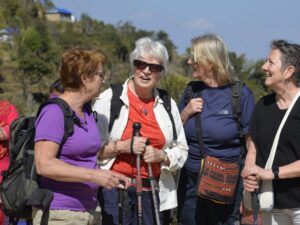
Tour Highlights
- Authentic Chepang homestays: Experience daily life, traditional cooking, and storytelling beside hospitable host families in remote hill villages.
- Siraichuli sunrise: Pre-dawn hike to the highest point in Chepang Hills for 360° Himalayan panoramas.
- Cultural deep dive: Engage with animist beliefs, farming practices, and age-old traditions of one of Nepal’s least-explored ethnic groups.
- Rural trekking trails: Traverse terraced fields, dense forests, and off-road tracks far from any tourist crowds.
- Birdwatching prime: Spot the elusive Spiny Babbler, Himalayan Monal, and over 500 bird species in Chitwan’s biodiverse habitats.
- Chitwan jungle safari: Track one-horned rhinos, gharial crocodiles, and, if fortune favors, elusive Bengal tigers, by elephant, jeep, and canoe.
- Expert local guides, seamless logistics, and all-inclusive meals ensure a worry-free off-grid adventure.
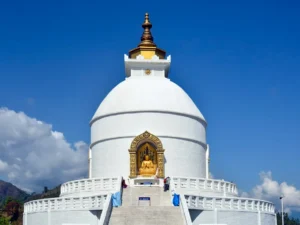
Peace Pagoda Hiking Quick Facts
| Tour Details | Information |
| Duration | 1 Day (6-8 hours) |
| Starting Point | Pokhara Lakeside |
| Transportation | Boat + Hiking/Direct Road Access |
| Difficulty | Easy to Moderate |
| Best Season | October-November, March-May |
| Group Size | 2-15 people (Private also available) |
| Languages | Hindi, English, Nepali |
| Inclusions | Guide, Boat, Permits, Refreshments |
| Exclusions | Personal expenses, Extra meals, Tips |
Spiritual Significance of World Peace Pagoda
Sacred Buddhist Monument for Global Peace World Peace Pagoda (Vishwa Shanti Stupa) represents one of approximately 80 Peace Pagodas worldwide, built by Japanese Buddhist monk Nichidatsu Fujii's followers to promote world peace and harmony. This brilliant white monument carries profound spiritual significance, embodying Buddha's teachings of compassion and non-violence. The pagoda's architectural elements hold deep Buddhist symbolism. The white dome represents Buddha's enlightened mind, while four golden Buddha statues face cardinal directions - representing birth, first teaching, enlightenment, and parinirvana (final liberation). The golden finial topped with a dharma wheel symbolizes Buddhist teachings spreading in all directions. Cultural and Religious Importance Hindu and Buddhist pilgrims equally revere this sacred site for its peaceful energy and spiritual vibrations. The monument serves as a meditation center where visitors can practice vipassana (mindfulness meditation) while enjoying panoramic Himalayan views including Machapuchare (Fishtail Peak), Annapurna range, and Dhaulagiri. The pradakshina path (circumambulation route) allows devotees to walk clockwise around the stupa while chanting mantras or maintaining silent meditation. This practice, known as kora in Tibetan Buddhism, generates positive spiritual energy and mental purification. Built between 1973-1999, this Peace Pagoda honors the philosophy of monk Nichidatsu Fujii, who met Mahatma Gandhi in 1931 and dedicated his life to promoting non-violence and world peace through Buddhist teachings.Peace Pagoda Day Tour Detailed Itinerary
Best Time for Peace Pagoda Hiking
Peak Season (October-November) Ideal conditions with crystal-clear mountain visibility, comfortable temperatures (15-25°C), and stable weather. Post-monsoon period offers the clearest Himalayan views and perfect photography opportunities. Cultural festivals like Dashain and Tihar add spiritual significance to the pilgrimage. Excellent Season (March-May) Second-best period featuring blooming rhododendrons, moderate temperatures, and good mountain visibility. Pre-monsoon season provides comfortable hiking conditions and vibrant forest colors, though some afternoon haze may develop. Moderate Season (December-February) Winter hiking requires warm clothing but offers excellent visibility and fewer crowds. Morning temperatures can drop to 5°C, requiring proper preparation, but midday conditions remain pleasant for spiritual activities. Challenging Season (June-September) Monsoon period presents difficulties with heavy rainfall, slippery trails, and limited mountain views. However, adventurous pilgrims enjoy lush green landscapes, dramatically lower costs, and intimate spiritual experiences with minimal crowds.Safety Guidelines and Support
Professional Altitude and Trail Safety Our Nepal Tourism Board licensed guides carry comprehensive first aid equipment including bandages, antiseptics, pain relievers, and emergency communication devices. While Peace Pagoda sits at moderate 1,200-meter elevation (no altitude sickness risk), we maintain strict safety protocols for all hiking activities. Trail conditions require appropriate footwear with good grip, especially during monsoon season when paths become slippery. Our guides monitor weather conditions continuously and adjust routes based on safety requirements and group capabilities. Emergency Support Systems 24/7 emergency contact available through our Pokhara office with direct communication to guide teams. Emergency evacuation procedures established with local medical facilities and helicopter rescue services if required. Medical consultation support available for pilgrims with respiratory conditions, joint problems, or elderly family members requiring special attention. We provide detailed pre-departure health guidelines and recommend appropriate preparation for different fitness levels. Cultural Safety and Respect Our guides ensure proper Buddhist etiquette including modest dress requirements (shoulders and knees covered), shoe removal protocols, respectful behavior in prayer areas, and clockwise circumambulation practices. Cultural sensitivity training for all staff protects sacred site sanctity while providing meaningful spiritual experiences.Cultural Guidelines and Buddhist Protocols
Respectful Behavior at Sacred Sites Buddhist customs require specific behaviors to maintain spiritual sanctity and show proper respect. Visitors must dress modestly with covered shoulders and knees, remove shoes when entering pagoda premises, and maintain silence in meditation areas. Photography guidelines allow respectful image capture but prohibit video recordings or social media content creation that disrupts peaceful atmosphere. Our guides ensure compliance with sacred site protocols while maximizing photography opportunities. Understanding Buddhist Symbolism The white dome (anda) represents Buddha's enlightened mind and cosmic consciousness. Four Buddha statues face cardinal directions representing different aspects of enlightenment - birth (Nepal), first teaching (Japan), enlightenment (Sri Lanka), and final liberation (Thailand). Prayer flags surrounding the pagoda carry mantras and prayers that spread positive energy through wind movement. Visitors can participate in flag hanging ceremonies with proper guidance and understanding of their spiritual significance. Meditation and Spiritual Practice Guided meditation sessions focus on mindfulness breathing (anapanasati) techniques that Buddha taught for achieving mental peace and clarity. The peaceful mountain environment enhances meditation practice with natural silence and inspiring Himalayan views. Pradakshina (circumambulation) involves walking clockwise around the stupa while maintaining mindful awareness or chanting Buddhist mantras. This ancient practice generates positive karma and spiritual merit according to Buddhist philosophy. Ready to Begin Your Sacred Peace Pagoda Journey? Experience the transformative power of Buddhist peace and Himalayan spirituality with Debyani Tours' expertly crafted Peace Pagoda hiking experience. Our professional guides, cultural expertise, and safety-first approach ensure your spiritual pilgrimage becomes an unforgettable journey of personal growth and divine connection. Contact us today to book your personalized Peace Pagoda spiritual hiking adventure and discover Nepal's most accessible Buddhist monument with complete peace of mind.Frequently Asked Questions (FAQs)
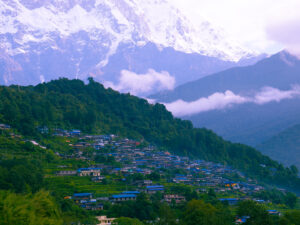
Home Stay in Nepal - Sikles Gurung Village
The 8-day Sikles Homestay Tour gives you a complete Nepal experience, from the holy temples of Kathmandu to the peaceful beauty of Pokhara and the traditional village lifestyle of Sikles situated at the lap of the Annapurna region. The journey starts from Kathmandu with visits to major UNESCO sites like Pashupatinath, Boudhanath, and Swayambhunath. You’ll then fly to Pokhara, Nepal’s most loved tourist city, known for its lakes, mountain views, and relaxed atmosphere. From Pokhara, you’ll travel off the main route to Sikles Village, a Gurung settlement surrounded by hills and the Annapurna peaks. Here, you’ll stay with a local family, enjoy home-cooked meals, and experience real village life and Gurung culture. After returning to Pokhara, you can relax by the lake or try adventure activities like paragliding or visiting scenic spots like Sarangkot, Peace Stupa, and Pumdikot. The trip ends back in Kathmandu, completing a journey that blends culture, nature, and local hospitality. This tour is perfect for you if you want to experience both the natural beauty and deep culture of Nepal, all in one journey. No trekking experience is required, just a love for new places, local traditions, and beautiful mountain views! Highlights of the trip:- Visit famous temples in Kathmandu, Pashupatinath, and Boudhanath
- Explore Pokhara: Phewa Lake, Sarangkot sunrise, and mountain views
- Stay with a Gurung family in Sikles Village and share in their daily village life
- Enjoy a stunning view of the Annapurna Region
- Enjoy homemade local meals
- Guided walks through old streets, local farms, and scenic countryside
- Learn about traditional Gurung culture and customs
- Try optional adventures (paragliding or hiking) in Pokhara
- All transport, hotels, homestays, and entry tickets included