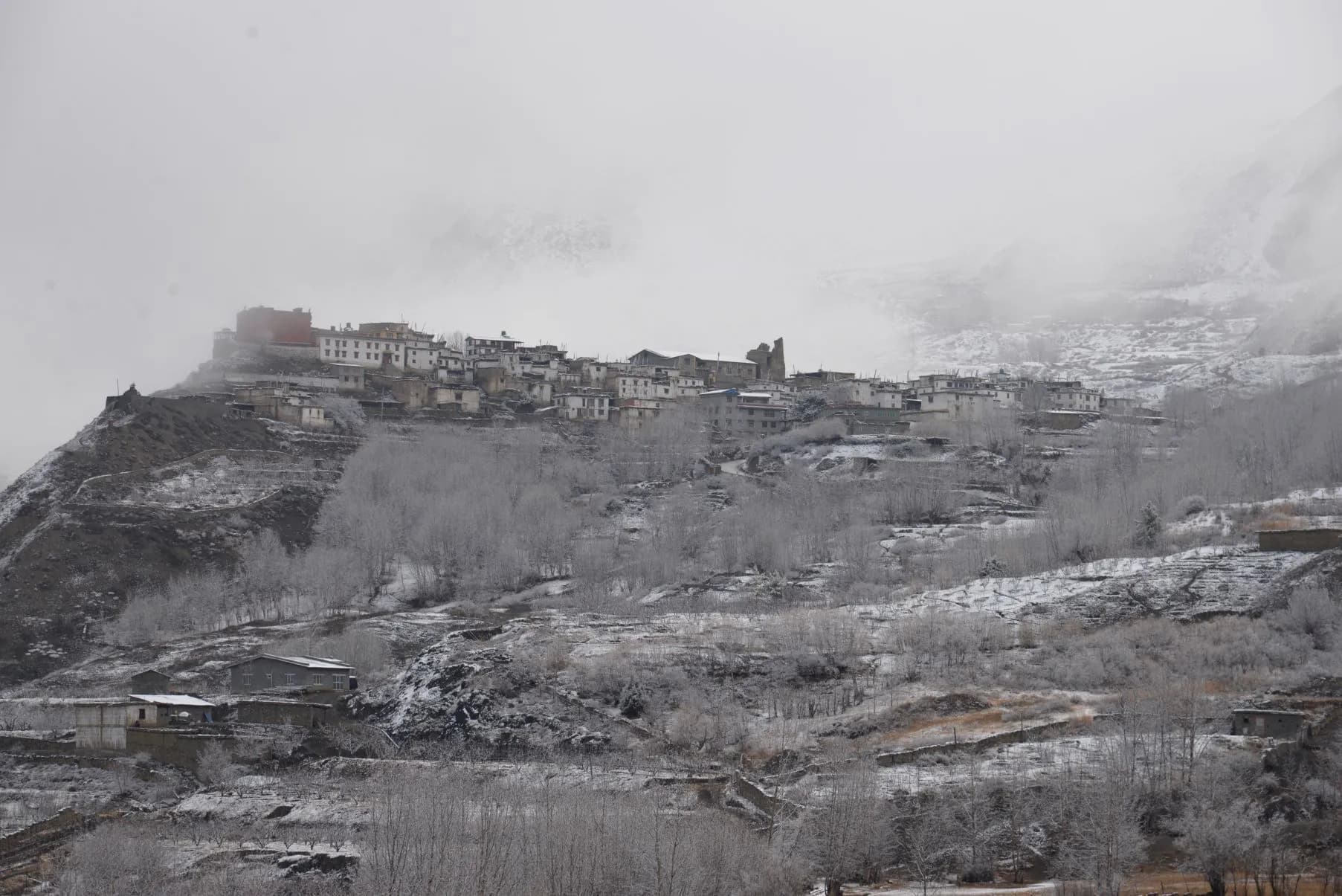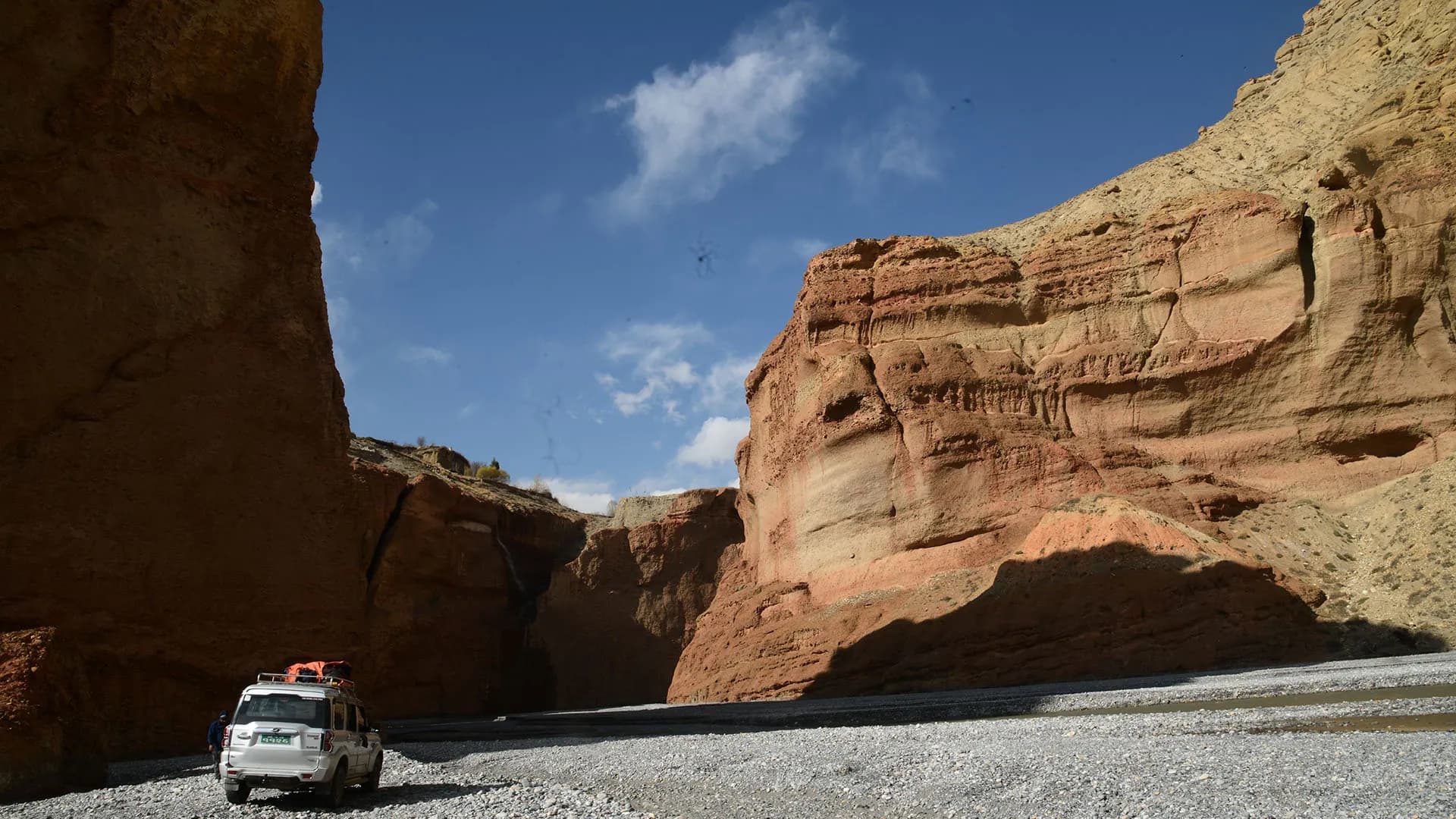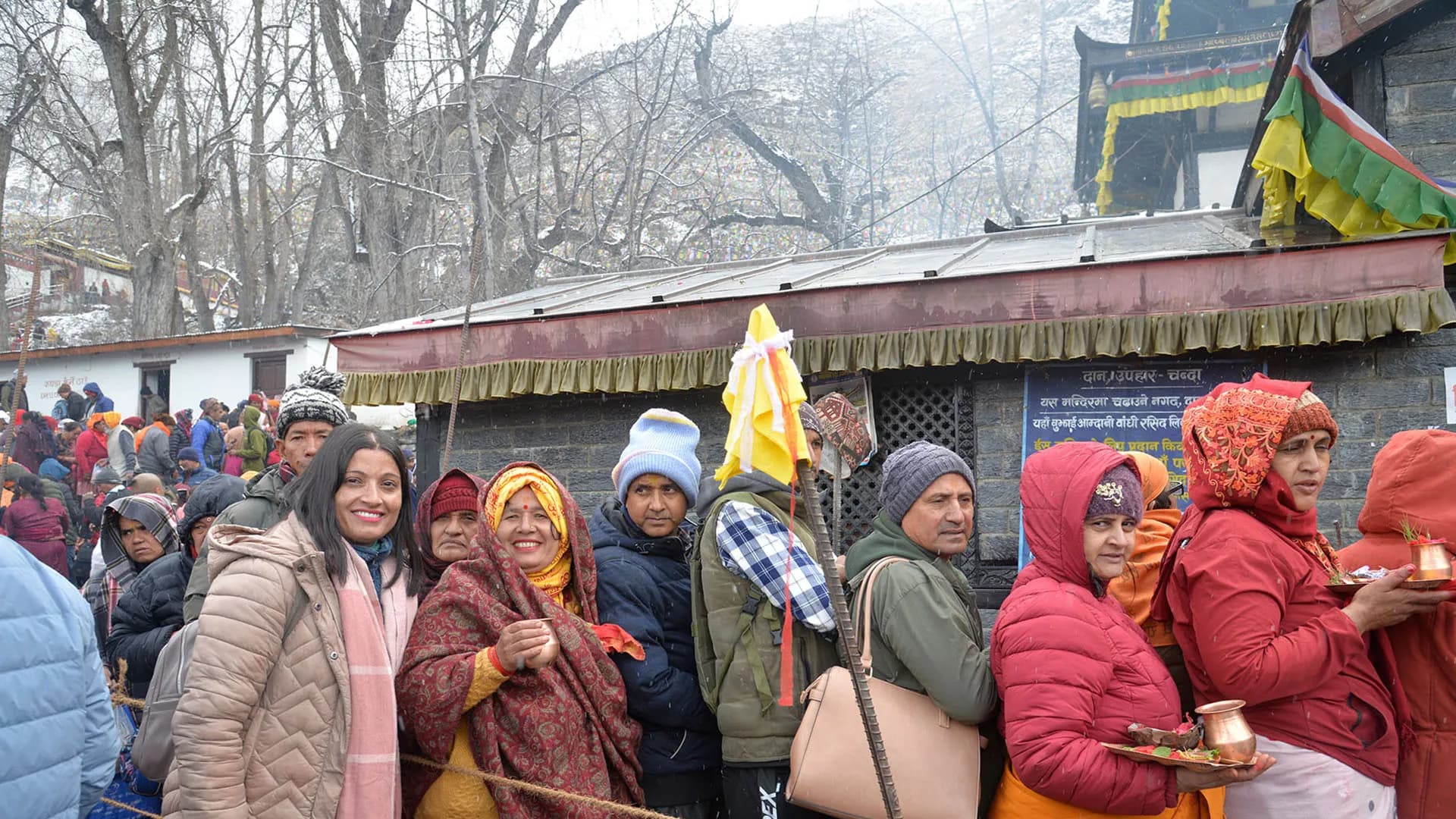
Muktinath is a sacred temple high in the Himalayas at about 3,710 meters (12,172 feet), and traveling there is nothing like a normal trip. The air is thin, the road is rough in places, the sun is intense, and the weather can change within a single afternoon. Days can be bright and warm, but mornings and evenings are cold and windy.
Packing well is not about carrying more - it is about carrying the right things. At this altitude your body loses heat faster, UV radiation is stronger, and wet clothes can quickly become dangerous. The single most useful habit is layering: thin layers you can add or remove as conditions shift will keep you comfortable far better than one bulky coat.
This list is organized by category, with seasonal adjustments at the end. Pack thoughtfully, test your gear before you go, and remember you can buy basic supplies in Jomsom if you forget something - though selection is limited and prices are higher up in the mountains.
Clothing: The Layering Strategy
Layering is the core principle. Aim for a moisture-wicking base, an insulating mid layer, and a protective outer shell, plus accessories for your head, hands and neck where you lose heat fastest.
Base layer (against your skin):
- 2 to 3 thermal underwear sets
- 2 to 3 pairs of quick-dry socks, plus spares (wet socks are miserable)
Mid layer (warmth):
- 1 fleece pullover or warm hoodie
- 1 pair of fleece pants or thermal leggings
- 1 to 2 lightweight thermal tops
Outer layer (protection):
- 1 waterproof, windproof jacket
- 1 pair of waterproof trousers
- 1 thick down jacket (essential in winter and at altitude)
Extremities:
- 2 pairs of gloves (one light, one thick and waterproof)
- 1 to 2 woollen hats or beanies, plus a sunhat for bright days
- 1 neck gaiter or buff for warmth and sun protection
Footwear and Sun Protection
Proper footwear matters on rough mountain terrain, and sun protection is non-negotiable at altitude where UV is far stronger than at sea level.
Footwear:
- 1 pair of sturdy, broken-in hiking boots
- 1 pair of lightweight shoes
- Warm socks for indoor use and slip-on shoes for lodges and teahouses
Sun and elements:
- High-SPF sunscreen (SPF 50+) and lip balm with SPF
- Sunglasses with good UV protection - snow glare is intense
- Moisturizer, because mountain air is very dry
Sunburn happens quickly and severely at 3,710m, so reapply sunscreen often, especially when snow reflects the light.
Health and High-Altitude Essentials
A small, well-chosen medical kit covers the most common altitude and travel problems. Never ignore altitude sickness symptoms - descending is the best cure.
- Diamox (Acetazolamide) for acclimatization - consult your doctor first
- Headache relief such as ibuprofen or paracetamol
- Anti-nausea and anti-diarrhea medication (stomach issues are common at altitude)
- A basic first-aid kit: bandages, antiseptic, blister treatment
- Any personal prescription medication
- Electrolyte powder or sachets for hydration
- Water purification tablets where needed
Carry these in an easy-to-reach pocket rather than buried at the bottom of your pack.
Hydration, Nutrition and Miscellaneous
Dehydration at altitude can sneak up on you, so plan to drink steadily and carry quick energy for the journey.
- 1 litre refillable water bottle (refill rather than carrying it all at once)
- Energy bars and snacks - chocolate, nuts, dried fruit
- Salt and electrolyte supplements
Useful extras:
- A 20 to 30 litre daypack
- Headlamp or flashlight with spare batteries
- Power bank and charger
- A quick-dry towel and a small notebook and pen
Pack light overall - every extra kilo feels heavier at altitude, and most items you do not use simply become a burden.
Seasonal Adjustments
Add or swap items depending on when you travel.
Winter (December to February):
- Extra thermal layers, gloves and socks
- Snow gaiters, a balaclava and chemical hand and foot warmers
- Extra sunscreen, as snow reflects UV intensely
Spring (March to May):
- Lighter layers you can shed easily and a packable rain jacket
- Allergy medication, since pollen is heavy during the blooms
Monsoon (June to August):
- A waterproof pack cover and dry bags for electronics
- Quick-dry trousers (not jeans), spare clothes and a drying cloth
Autumn (September to November):
- Balanced layers for warm days and cold mornings, plus standard sun and rain protection
Frequently Asked Questions
Can I buy supplies in Jomsom if I forget something?
Yes, basic items are available in Jomsom before you reach Muktinath. However, pack all your essentials before the trip - selection in the mountains is limited and prices are higher than in the cities.
What sun protection do I need at Muktinath?
Bring high-SPF sunscreen, lip balm with SPF, UV sunglasses for snow glare, a sunhat and moisturizer. At 3,710m, UV radiation is very intense and sunburn happens quickly, so reapply sunscreen often.
How should I pack for the monsoon season?
For June to August, prioritize waterproofing: a waterproof jacket and pack cover, dry bags for electronics, quick-dry trousers, a drying cloth and a spare change of clothes. Lower roads can get muddy and landslide-prone, so keep gear sealed and dry.
Are laundry facilities available at Muktinath?
Laundry options are very limited and vary by hotel. Most guesthouses offer basic washing, but clothes dry slowly in the cold, thin air. Pack enough for 3 to 4 days and choose quick-dry fabrics you can rinse and hang overnight.
How much should my backpack weigh?
Keep it as light as you reasonably can. Every extra kilo feels heavier at altitude, where your body is already working harder. Pack only essentials, layer smartly, and trust that you can buy basics in Jomsom if truly needed.
Should I spend a night in Jomsom before Muktinath?
It is not compulsory, but it helps. Spending a night in Jomsom at 2,720m gives your body time to adjust before you go up to 3,710m, which noticeably lowers the risk of altitude sickness. You can travel straight through, but if you have the day to spare, the stop is worth it.
How much cash should I carry to Muktinath?
Carry enough Nepali Rupees in small denominations for meals, tea, offerings and small purchases. Many places now accept digital payment, but not all, and mobile coverage can be patchy. ATMs are available in Jomsom and elsewhere in Mustang, so you can top up along the way rather than carrying everything from Pokhara.
Can elderly people or children visit Muktinath safely?
Yes, with sensible precautions. Keep the pace comfortable, stay hydrated, and build in an acclimatization night at Jomsom. Children under about 3 to 4 years are better left for a later trip. Watch anyone in the group for headache, nausea or unusual tiredness, and descend if symptoms do not clear.
Is the monsoon a good time to visit Muktinath?
It can be. Muktinath sits in the Annapurna rain shadow, so it stays far drier than southern Nepal, and the valleys turn green with very few other visitors around. The catch is the lower road between Beni and Ghasa, which can close after heavy rain. Pack proper waterproofs and leave buffer days in your plan.